
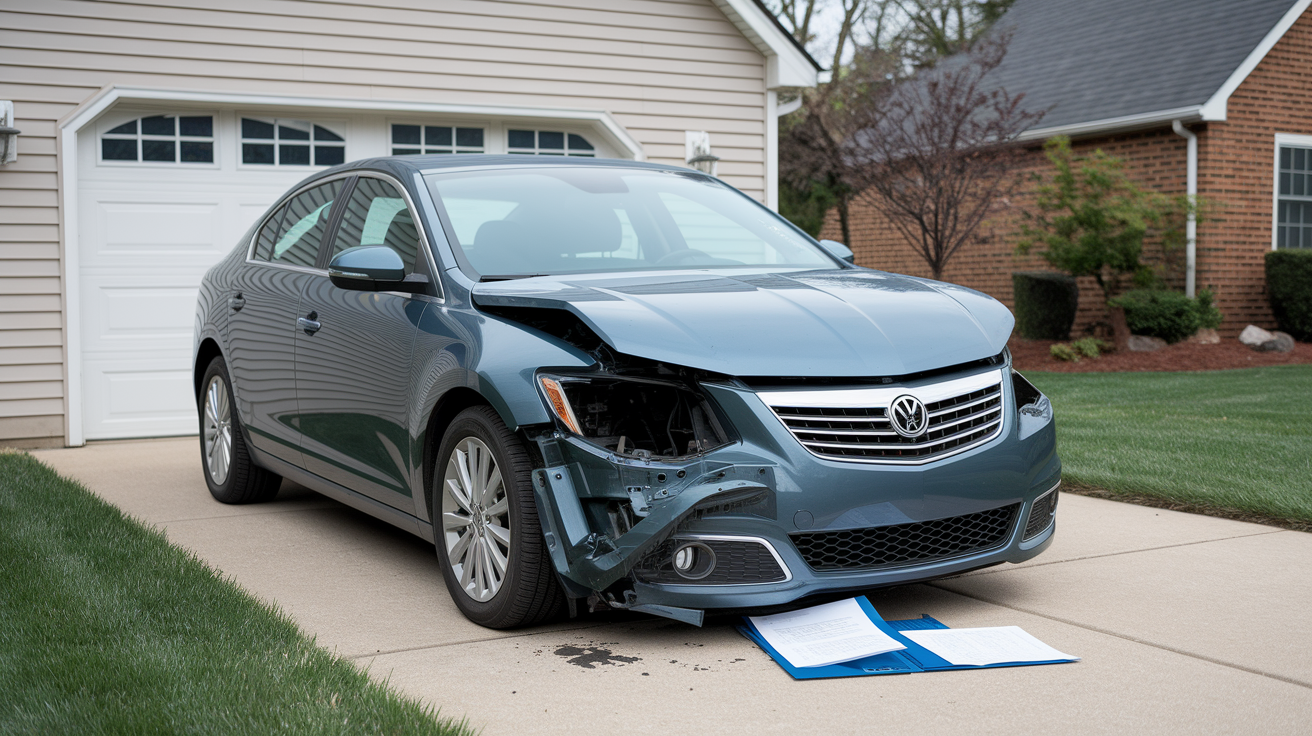

Think collision and comprehensive insurance are the same thing?
They sound like two sides of the same coin, but they cover very different risks.
Collision pays when your car hits, or is hit by, another vehicle or object.
Comprehensive pays for non-crash events like theft, hail, fire, or a deer strike.
Knowing the difference stops surprise bills and helps you pick the right protection.
Read on for clear examples, common gotchas, and a simple checklist for what to choose.
Core Breakdown of Collision vs. Comprehensive Coverage Differences

Collision insurance pays to fix or replace your vehicle when it crashes into another car, hits something stationary like a guardrail or pole, or rolls over. Doesn’t matter who caused it. Rear-end someone, sideswipe a fence, hit a tree? That’s collision. The trigger is impact—your car physically colliding with something else.
Comprehensive insurance covers non-crash incidents. Theft, vandalism, hail, fire, falling tree limbs, animal strikes. Someone keys your paint, a deer jumps in front of you, a storm floods your engine? Comprehensive pays. Think of it as protection against random bad luck that isn’t a crash.
Most drivers carry both because they cover different risks. Collision handles crash damage. Comprehensive handles everything else. Together they protect your vehicle from nearly all physical damage, minus mechanical breakdown and normal wear. Lenders and leasing companies usually require both until the loan or lease ends.
| Coverage Type | What It Covers |
|---|---|
| Collision | Rear-ending another vehicle at a stoplight |
| Collision | Hitting a concrete barrier during lane change |
| Collision | Single-vehicle rollover on a curve |
| Comprehensive | Vehicle stolen from parking lot overnight |
| Comprehensive | Hailstorm dents hood and roof |
| Comprehensive | Deer runs into side of car on highway |
Collision Insurance Coverage Details for Vehicle Damage Events

Collision coverage kicks in when your vehicle hits or gets hit by another vehicle, or when it strikes a stationary object. Fault doesn’t matter. Even if the other driver caused the crash, your collision coverage pays to fix your car after you pay your deductible. Single-vehicle accidents count too—sliding off the road into a ditch, flipping over, hitting a tree.
Common collision scenarios:
Rear-ending the car in front of you at a red light. Hitting a guardrail, fence, or mailbox while backing out. Sideswipe collision when merging lanes. Pothole damage that causes suspension or wheel damage your insurer classifies as collision. Multi-car pileup where your vehicle gets struck and damaged. Hit-and-run where another driver damages your parked car and leaves.
You pick a deductible when you buy collision coverage, usually $250, $500, or $1,000. If your repair bill is $2,500 and your deductible is $500, you pay $500 and the insurer pays $2,000. Collision doesn’t cover mechanical breakdowns, engine failure, transmission problems, or routine wear like brake pads. Only damage from impact. Your payout can’t exceed the vehicle’s actual cash value—what the car’s worth today after depreciation, minus your deductible.
Comprehensive Insurance Coverage for Non‑Crash Incidents

Comprehensive insurance covers damage from events that aren’t crashes. Theft is one of the most common comprehensive claims. Someone steals your car? Comprehensive pays up to the vehicle’s actual cash value minus your deductible. Vandalism is covered too, whether it’s keyed paint, slashed tires, or smashed windows. Weather damage like hail dents, flood water intrusion, windstorm debris, lightning strikes all trigger comprehensive. Fire and explosions count, even if they start in your own engine bay or from arson. Falling objects—tree branches, debris from a passing truck, a garage door that falls on your hood. Animal collisions are comprehensive, so if you hit a deer, elk, cow, or even a bird that cracks your windshield, comprehensive responds.
Deductibles work the same way as collision. You pick an amount like $250, $500, or $1,000 when you buy the policy. Hail causes $2,500 in damage and your deductible is $1,000? The insurer pays $1,500. Glass claims sometimes get special treatment. Some insurers waive the deductible for windshield repair or offer a separate glass endorsement with no deductible. Others apply your full comprehensive deductible to glass replacement. Ask your insurer how glass is handled. Just like collision, comprehensive doesn’t cover mechanical breakdown, normal wear, or factory defects. Only sudden, external damage.
Comprehensive claims tend to be less frequent than collision claims because crashes happen more often than theft or weather disasters in most areas. But comprehensive claims can be severe. A totaled vehicle from a flood or a stolen car that’s never recovered pays out the full actual cash value. That makes comprehensive valuable even for older cars in areas with high theft rates, frequent hail, or heavy wildlife populations.
Comparison of Collision vs Comprehensive Coverage Features

The main differences are what causes the damage and what types of incidents each coverage handles. Collision gets triggered by impact—crashes with other vehicles or objects. Comprehensive gets triggered by non-impact events—theft, weather, animals, vandalism, fire. Both are optional unless a lender requires them, and both use deductibles. The deductible you choose for collision can be different from the deductible you choose for comprehensive. Most drivers pick the same deductible for both to keep it simple, but you can mix them if your insurer allows it.
Both coverages pay up to the actual cash value of your vehicle at the time of the loss. Actual cash value is replacement cost minus depreciation. Bought a car for $20,000 a year ago and the adjuster determines it’s worth $15,500 today? That $15,500 is the maximum payout. If your repair estimate is $16,000, the insurer will total the car and pay $15,500 minus your deductible. Repair is $10,000? Insurer pays $10,000 minus your deductible. You don’t get back more than the car is worth.
| Aspect | Collision | Comprehensive | Deductible Norm | Typical Exclusions | Example Scenario |
|---|---|---|---|---|---|
| Trigger Event | Impact with vehicle or object | Non-crash event | $250, $500, $1,000 | Mechanical breakdown, wear | Collision: hit guardrail; Comp: hail dents |
| Fault Relevance | Pays regardless of fault | No fault involved | Same or different per coverage | Racing, intentional damage | Collision: you rear-end someone; Comp: theft |
| Common Claims | Rear-end, sideswipe, rollover | Theft, vandalism, weather, animals | $250–$1,000 range | Routine maintenance | Collision: hit pole; Comp: tree falls on car |
| Claim Frequency | Higher (accidents common) | Lower (random events) | Selected at purchase | Manufacturer defects | Collision: multi-car pileup; Comp: fire |
| Premium Cost | Usually higher | Usually lower | Affects premium amount | Towing (may need add-on) | Collision: hit fence; Comp: windshield crack |
| Payout Cap | Actual Cash Value − deductible | Actual Cash Value − deductible | Higher deductible = lower premium | Rental car (may need add-on) | Collision: total loss in crash; Comp: stolen car |
Real-World Claim Examples for Collision and Comprehensive Events

You crash into another car and the repair shop estimates $5,000 to fix your vehicle. Your collision deductible is $500. The insurer pays $4,500. You pay the $500 deductible, insurer covers the rest. If the damage is more than the car’s actual cash value, the insurer totals the vehicle and pays the actual cash value minus your deductible instead of repairing it.
Your car gets stolen and the insurer determines its actual cash value is $12,000. Your comprehensive deductible is $1,000. The insurer pays $11,000. If the car’s recovered but damaged, the insurer pays for repairs up to the actual cash value, minus the deductible. Never recovered? You get the $11,000 and the insurer takes ownership of the claim.
Filing either claim follows a similar process. Document the damage with photos and gather details like police report numbers for theft or accident reports for crashes. Contact your insurer within the time frame required by your policy, usually within 24 to 48 hours or as soon as reasonably possible. An adjuster inspects the vehicle or reviews photos to determine repair cost or total-loss value. The insurer calculates payout by taking repair cost or actual cash value and subtracting your deductible. You receive payment once you sign off on the estimate, and you choose whether to repair at a shop of your choice or use an insurer-preferred shop.
Cost Factors and Premium Impact for Both Coverages

Collision coverage almost always costs more than comprehensive because crashes happen more often than theft, hail, or animal strikes. Accident frequency is higher, and collision repairs tend to be expensive because they involve body work, suspension, alignment, sometimes frame damage. Comprehensive claims are less common and often involve targeted damage like a cracked windshield or a single dented panel from hail. That difference in frequency and severity is why collision premiums run higher even when deductibles are the same.
Choosing a higher deductible lowers your premium but increases what you pay out-of-pocket when you file a claim. Raise your collision deductible from $500 to $1,000, you might save $100 to $200 a year on premiums. Over five years that’s $500 to $1,000 in savings, but if you have one accident, you’ll pay an extra $500 up front. Pick a deductible you can afford to pay in an emergency. If writing a $1,000 check would cause financial hardship, stick with a $500 deductible even if the premium is higher.
Other factors affect how much you pay for both coverages. Your vehicle’s value is the biggest driver. Expensive cars cost more to insure because repairs and replacement payouts are higher. Location matters too. High-theft zip codes push comprehensive premiums up. Areas with frequent hail or heavy deer populations see higher comprehensive rates. Your driving record affects collision premiums. Accidents, speeding tickets, DUIs all increase cost. The make, model, and year of your car influence rates because some vehicles are cheaper to repair and some are targeted by thieves. Credit score and insurance history also factor in. Insurers price based on risk, and your profile determines how much risk you represent.
Choosing Collision and Comprehensive Based on Vehicle Age and Value
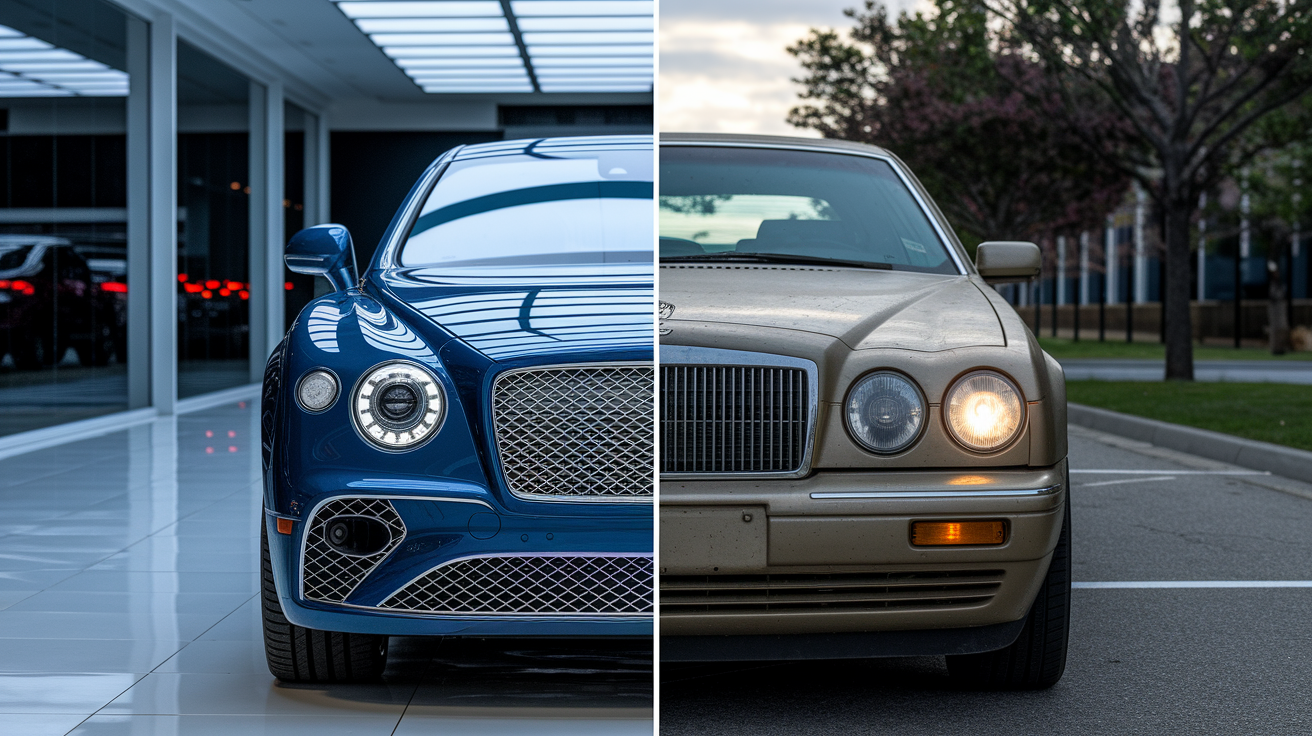
If your vehicle is financed or leased, the lender or leasing company will require both collision and comprehensive until the loan or lease is paid off. You won’t have a choice. Own the car outright? You decide whether the coverage is worth the cost. New and newer cars with high market value should almost always carry both coverages. A three-year-old car worth $18,000 is too valuable to leave unprotected. One crash or theft could wipe out years of equity.
Older vehicles are where the math changes. Your car is worth $2,500 and your combined annual premium for collision and comprehensive is $800 with a $1,000 deductible. You’d pay $1,800 out-of-pocket for a single total-loss claim. That’s more than 70 percent of the car’s value. At that point, many drivers drop collision and keep only comprehensive, or drop both and rely on savings to replace the vehicle. The break-even question is simple: could you cover a repair or replacement out-of-pocket without major financial stress? If yes, dropping coverage might make sense. If no, keep it.
Decision factors to weigh:
Vehicle market value. Compare it to your annual premiums plus deductible to see if coverage is cost-effective. Local theft and weather risk—high-crime areas or hail zones make comprehensive more valuable even on older cars. Your emergency fund. Got $5,000 saved and your car is worth $3,000? You can afford to self-insure. Repair cost expectations—some older cars have cheap parts and low labor costs, others are expensive to fix even when old. Deductible affordability. If a $1,000 deductible is manageable, higher deductibles let you keep coverage longer on aging vehicles.
Requirements, Limitations, and Policy Rules Affecting Coverage Choice

Every state except New Hampshire requires liability insurance, which pays for injuries and property damage you cause to others. Liability doesn’t fix your car. Collision and comprehensive are optional under the law. You can drive legally with just liability. But optional doesn’t mean you get to skip them if you owe money on the vehicle. Lenders and leasing companies write collision and comprehensive into the loan or lease contract. Don’t carry the coverage? They can force-place insurance at a much higher cost or repossess the vehicle for breach of contract.
Some insurers have their own policy rules. Certain companies won’t sell you collision unless you also buy comprehensive. Others let you pick one without the other. A few insurers bundle both automatically and give you a small discount. State regulations vary too—some states allow insurers to require bundling, others require that each coverage be sold separately. Want collision only or comprehensive only? Ask your insurer if that’s an option. If it’s not and you only want one coverage, you may need to shop another company.
Additional Considerations That Affect Coverage Value

Collision and comprehensive aren’t the only add-ons that affect how well you’re protected. Rental reimbursement pays for a rental car while your vehicle is being repaired after a covered claim. Usually costs $20 to $40 a year and covers up to a set daily rate, like $30 or $50 per day for up to 30 days. Roadside assistance or towing coverage pays for jump-starts, tire changes, lockouts, towing to a repair shop. Usually costs $10 to $25 a year. Glass coverage may be built into comprehensive, or it might be a separate endorsement. Some insurers waive your deductible for windshield repair but not replacement. Others apply the full comprehensive deductible to any glass claim. Check your policy or ask your agent how glass is handled.
Both collision and comprehensive exclude mechanical breakdown, normal wear and tear, and routine maintenance. They don’t pay for a blown transmission, worn-out brakes, or a failed water pump. Engine seizes because you didn’t change the oil? Neither coverage applies. Insurers deny claims when the damage isn’t from a covered peril or when you can’t prove the loss happened. Theft claims require a police report. Collision claims need an accident report or photos showing how the damage occurred. Wait too long to report a claim? The insurer can deny it for late notice.
Filing a claim can raise your premium at renewal, especially for collision claims where you were at fault. Comprehensive claims sometimes have less impact, but frequent claims of any type signal higher risk. File three claims in two years, expect a rate increase or non-renewal. Small claims that cost less than your deductible should be paid out-of-pocket to avoid a rate hike. Your repair is $800 and your deductible is $500? You’d only get $300 from the insurer but your rate might go up by more than that over the next three years.
Final Words
If you’re deciding coverage right now, focus on triggers: collision pays for crash damage; comprehensive covers theft, hail, fire, falling trees, and animal strikes. Deductibles and your vehicle’s current value shape payouts.
The post walked through plain definitions, dollar examples for claims, cost drivers, when it might make sense to drop collision, lender requirements, and handy add-ons like glass or rental coverage.
Understanding the difference between collision and comprehensive insurance makes shopping and claim choices simpler. Pick the mix that protects your budget and peace of mind — you’ll be better off at renewal.
FAQ
Q: Is it better to carry comprehensive or collision?
A: Choosing between comprehensive and collision depends on your car, lender rules, and risks. Financed cars usually need both. For older low-value cars, keep comprehensive for theft/weather and consider dropping collision to save money.
Q: Is it better to have a $500 deductible or $1000?
A: Choosing a $500 or $1,000 deductible depends on your emergency cash. If you can cover $1,000, the higher deductible usually lowers your premium; if not, pick $500 to avoid a big out-of-pocket hit.
Q: Is hitting a pothole collision or comprehensive?
A: Hitting a pothole is treated as a collision claim because it’s damage from an impact with the road. Your collision deductible applies, and repairs could affect your future premiums.
Q: At what point should I drop collision coverage?
A: You should drop collision when yearly premium plus deductible and expected repair costs exceed the car’s market value—often under $2,000–$3,000. Don’t drop it if the car is financed or leased.