


Think filing a claim is just a quick phone call? Think again.
The moment after a crash matters. Small missed steps can slow or block your payout.
This post gives a clear, step-by-step plan you can use right away.
You’ll learn what photos to take, what info to collect, when to call police and your insurer, and how to upload documents so the adjuster can act fast.
Follow these practical steps and you’ll file your claim the right way, cut delays, and avoid common mistakes insurers flag.
Complete Step‑by‑Step Guide to Filing Your Car Insurance Claim

The moment after a crash is overwhelming. But following a clear sequence keeps things under control. Filing a car insurance claim means documenting what happened, notifying your insurer fast, and providing the evidence they need to investigate and pay. Skip steps or wait too long and you’re looking at delays or even denial.
Safety first. If anyone looks injured or the scene’s blocking traffic, call 911 right away. Move vehicles only if it’s safe and the law requires it. Once everyone’s secure, start collecting information and photos right there. Most insurers expect you to report within 24 to 72 hours, so quick action protects your coverage.
Here’s the complete filing sequence from scene to initial claim submission:
-
Ensure safety and call emergency services – Check for injuries, get to a safe spot if you can, and dial 911 if the situation needs police or medical response.
-
Document the scene with photos and video – Take 8 to 12 still photos covering all four sides of every vehicle, close damage shots, license plates, VIN (visible through the windshield or door jamb), dashboard odometer, skid marks, road signs, traffic signals, and any nearby property damage. Record one 30 to 60 second video walking around the scene to capture context and angles still photos might miss.
-
Gather driver and witness information – Write down or photograph the other driver’s full name, phone number, driver’s license number, insurance company name, policy number, vehicle year, make, model, and VIN. Collect contact information for at least one to three witnesses. Note the exact time, date, and location (street name and nearest cross street).
-
Request police report details – When an officer shows up, ask for the officer’s name, badge number, agency, and incident or case number. Police reports typically become available within three to seven days. You’ll need that number when filing.
-
Contact your insurer as soon as it’s safe – Use your insurer’s mobile app, online portal, or phone line to report the accident. Have your policy number, the information you collected, and your photos ready. Most insurers issue a claim number immediately and assign an adjuster within 24 to 48 hours.
-
Upload or submit supporting documents – Send your photos, the police report number (or a copy once available), repair estimates, towing receipts, and any medical bills. Organize files by date and label them clearly before uploading to avoid confusion or requests for re-submission.
This sequence satisfies insurer requirements and creates a documented trail that speeds investigation and approval.
Advanced Documentation Insights for Faster Processing
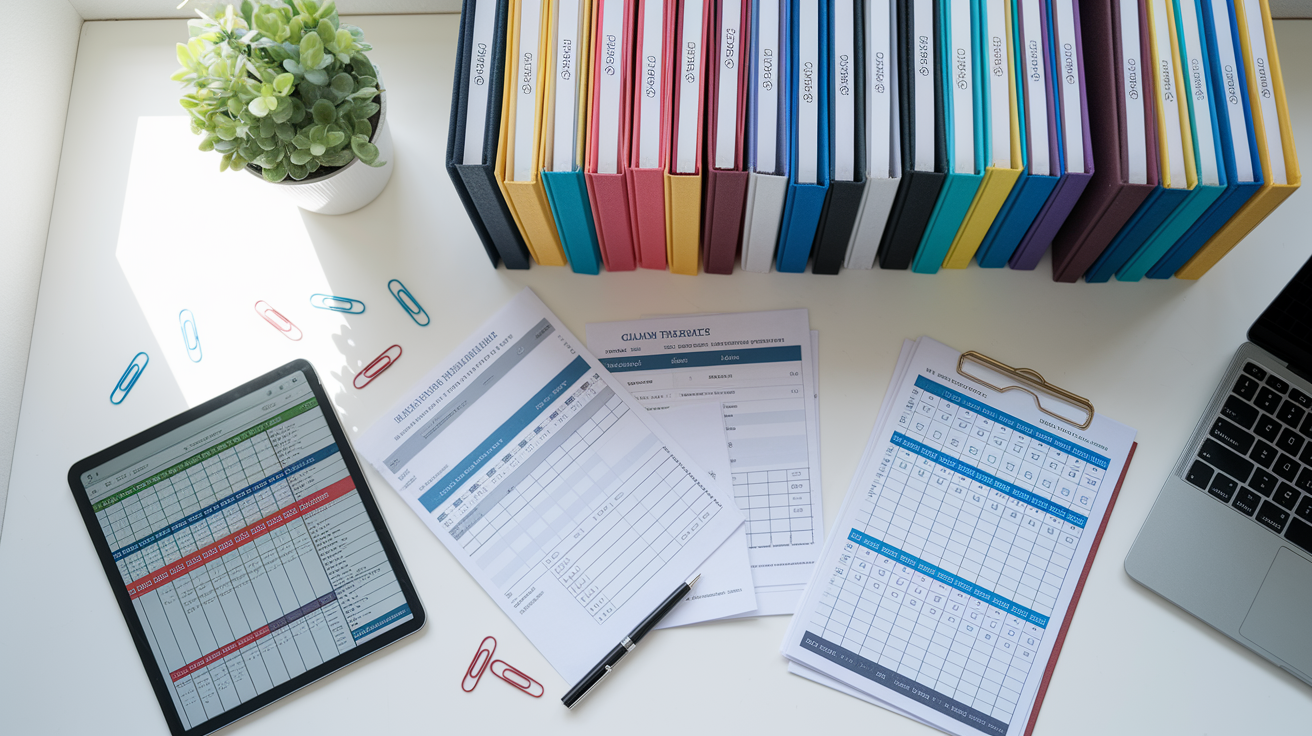
Beyond the basics you capture at the scene, a few additional documents and organizational habits prevent common delays. Insurers often request supplemental proof during investigation. Having everything ready cuts back and forth time.
Keep a physical or digital folder for your claim. Label it with your claim number and store every receipt, estimate, email, and note inside. Track the date, time, and name of every person you speak with at your insurer or repair shop. If a witness provides a written statement, scan or photograph it and add it to your folder. Medical bills, pharmacy receipts, and any documentation of lost wages (if injuries prevent work) should be included if your policy covers medical payments or personal injury protection.
Additional helpful items to organize and submit:
Written witness statements or affidavits – A short paragraph from a bystander describing what they saw can strengthen your version of events, especially in disputed fault cases.
Itemized repair estimates from two to three shops – Multiple estimates give you leverage if the insurer’s preferred shop quote seems low and help verify fair market labor rates.
Towing and storage invoices – Keep originals and submit copies within 30 days. Towing fees typically run 75 to 150 dollars, and storage can pile up daily.
Medical records and treatment summaries – If you visited an emergency room, urgent care, or follow up specialist, request itemized billing statements and clinical notes to back up injury related expenses.
Follow up reminders for the police report – Set a calendar alert for three to seven days after the incident to check if the report’s ready. Download or request a certified copy and upload it to your claim file.
Organized documentation reduces the chance that an adjuster will pause your claim to request missing paperwork.
Ways to Submit Your Claim: Online, App, or Phone

Most insurers offer three main channels for filing: an online portal accessed through a web browser, a mobile app designed for real time submission, and a traditional phone line staffed by claims representatives. Each method has distinct advantages. Choosing the fastest accessible option gets your claim started without unnecessary delay.
Online portals typically walk you through a digital form that mirrors a paper claim. You’ll enter your policy number, describe the incident in a text box, list all parties involved, and attach photos or PDFs. The system usually confirms receipt immediately and emails your claim number within minutes. This method works well if you’re at home or have reliable internet and want to review your entries before submitting.
Mobile apps streamline the process even further. Many insurer apps let you snap photos directly within the claim workflow, automatically attaching metadata like timestamps and GPS coordinates. You can record a short video explanation, upload it, and hit submit all from the accident scene or a nearby parking lot. Push notifications keep you updated when the adjuster contacts you or when the claim status changes. If you’re comfortable with smartphone interfaces, the app’s often the fastest route.
Phone filing involves calling your insurer’s claims hotline (a number you’ll find on your insurance card or policy documents) and answering guided questions from a representative. The agent will ask for your policy number, the date, time, and location of the incident, descriptions of all vehicles and drivers, and a narrative of what happened. They’ll create the claim on the spot and provide a claim number before you hang up. You’ll still need to follow up by emailing or uploading photos and documents, but the claim’s officially opened during the call. This method’s helpful if you’re not near a computer or prefer speaking to a person who can clarify coverage questions immediately.
Filing Online
Log in to your insurer’s website using your account credentials. Navigate to the claims section and select “File a New Claim.” The form will prompt you for incident details: date, time, exact location, a narrative description (stick to objective facts), and information about other parties. Upload your photos in common formats (JPEG, PNG) and attach PDFs of any repair estimates or police reports you already have. Review all fields for accuracy before submitting. You’ll receive a confirmation email with your claim number, usually within a few minutes.
Filing via Mobile App
Open your insurer’s app and tap the claims or “Report an Accident” button. The app may offer a guided walkthrough with prompts to photograph damage, capture the other driver’s insurance card, and record a voice memo describing the incident. Real time upload means your photos arrive instantly, and some apps use image recognition to flag key details like license plates or VIN. Once submitted, the app sends a push notification with your claim number and estimated adjuster contact time. Keep notifications enabled so you don’t miss updates.
Filing by Phone
Dial the claims hotline listed on your insurance card (for example, 1-800-280-1466). Have your policy number, driver’s license, and notes from the scene ready. The representative will ask a series of questions: Who was driving? What happened? Were there injuries? What’s the other driver’s insurance information? Answer clearly and avoid speculation about fault. The agent will generate a claim number and provide next steps, such as where to email photos or how to schedule an inspection. Expect the call to last 10 to 20 minutes depending on the complexity of the incident.
What Happens After Your Car Insurance Claim Is Filed

Once your claim’s in the system, the insurer assigns it to a claims handler or adjuster who becomes your primary contact. This person investigates the incident, evaluates damage, determines fault, and authorizes payment or repairs. Understanding the adjuster’s workflow and typical timelines helps you know what to expect and when to follow up.
Within 24 to 48 hours of filing, the adjuster will contact you by phone or email to confirm receipt, ask clarifying questions, and schedule an inspection if one’s required. During this conversation, provide any additional details and mention if you’ve already obtained repair estimates or if you need a rental car. The adjuster will explain the next steps, confirm your coverage limits, and answer questions about deductibles or timelines.
The investigation phase includes reviewing your photos, the police report (once available), witness statements, and any repair estimates you submitted. If another driver’s involved, the adjuster may contact that driver’s insurer to coordinate fault determination. Some insurers use third party appraisers or send mobile adjusters to inspect your vehicle in person. Others rely on photo based estimates or direct you to a preferred repair shop for an in person evaluation. Expect the inspection or estimate to be completed within one to five business days after the adjuster’s initial contact.
| Stage | Typical Timeline |
|---|---|
| Adjuster first contact after filing | 24 to 48 hours |
| Vehicle inspection or photo based estimate | 1 to 5 business days |
| Written repair estimate provided | 3 to 7 business days |
| Repair authorization or settlement payout | 7 to 30 calendar days (simple claims); weeks to months (complex or disputed) |
Complex claims involving serious injuries, disputed fault, or total loss determinations take longer. If the other driver’s insurer contests liability, the process can stretch into several months while both sides gather evidence and negotiate. Keep a log of all communications and follow up every three to five business days if you haven’t received expected updates.
Understanding Deductibles, Payouts, and Total Loss Calculations

A deductible is the amount you pay out of pocket before your insurer covers the rest of a covered claim. Common collision and comprehensive deductibles are 250, 500, or 1,000 dollars. If your repair cost’s less than your deductible, the insurer won’t pay anything, and you’ll handle the bill yourself. Filing the claim can still be worthwhile for documentation, especially if injuries or other complications emerge later, but expect no payout if damage falls below the deductible threshold.
When repair costs exceed your deductible, the insurer pays the approved estimate minus your deductible. For example, if the repair estimate’s 1,500 dollars and your deductible’s 500 dollars, the insurer pays 1,000 dollars. You pay the 500 dollar deductible directly to the repair shop or to the insurer, depending on the payment arrangement. If you’re not at fault and the other driver’s liability insurer accepts responsibility, you may receive payment without paying your deductible, but that depends on the other insurer’s decision and your state’s rules.
Total loss situations occur when repair costs reach or exceed a percentage of your vehicle’s actual cash value. Insurers typically use thresholds between 60 and 80 percent of ACV, depending on state regulations and company policy. The adjuster calculates ACV by researching comparable vehicles (same year, make, model, mileage, and condition) and applies any adjustments for prior damage or modifications. For example, if your vehicle’s ACV is 8,000 dollars and the repair estimate is 6,500 dollars (more than 80 percent), the insurer may declare a total loss. Your payout equals the ACV minus your deductible and minus any salvage value the insurer recovers by selling the wreck.
Key points about total loss payouts and deductibles:
Lienholder payment – If you have an outstanding loan or lease, the insurer may pay the lienholder directly. Any remaining balance after the loan’s satisfied comes to you.
Gap insurance – If your loan balance exceeds the ACV payout, gap coverage (if you purchased it) covers the difference so you’re not left owing money on a totaled car.
Salvage buyback – Some states allow you to buy back the totaled vehicle at salvage value if you want to repair it yourself or part it out. The insurer deducts the salvage amount from your payout.
Deductible reimbursement – If your insurer later recovers costs through subrogation (from the at fault driver’s insurer), you may be reimbursed your deductible. This process can take weeks to months.
Understanding these mechanics before you authorize repairs or accept a settlement prevents surprises and helps you decide whether to file through your own policy or wait for the other driver’s insurer to process your claim.
Filing Claims for At Fault, Not At Fault, and Hit and Run Accidents
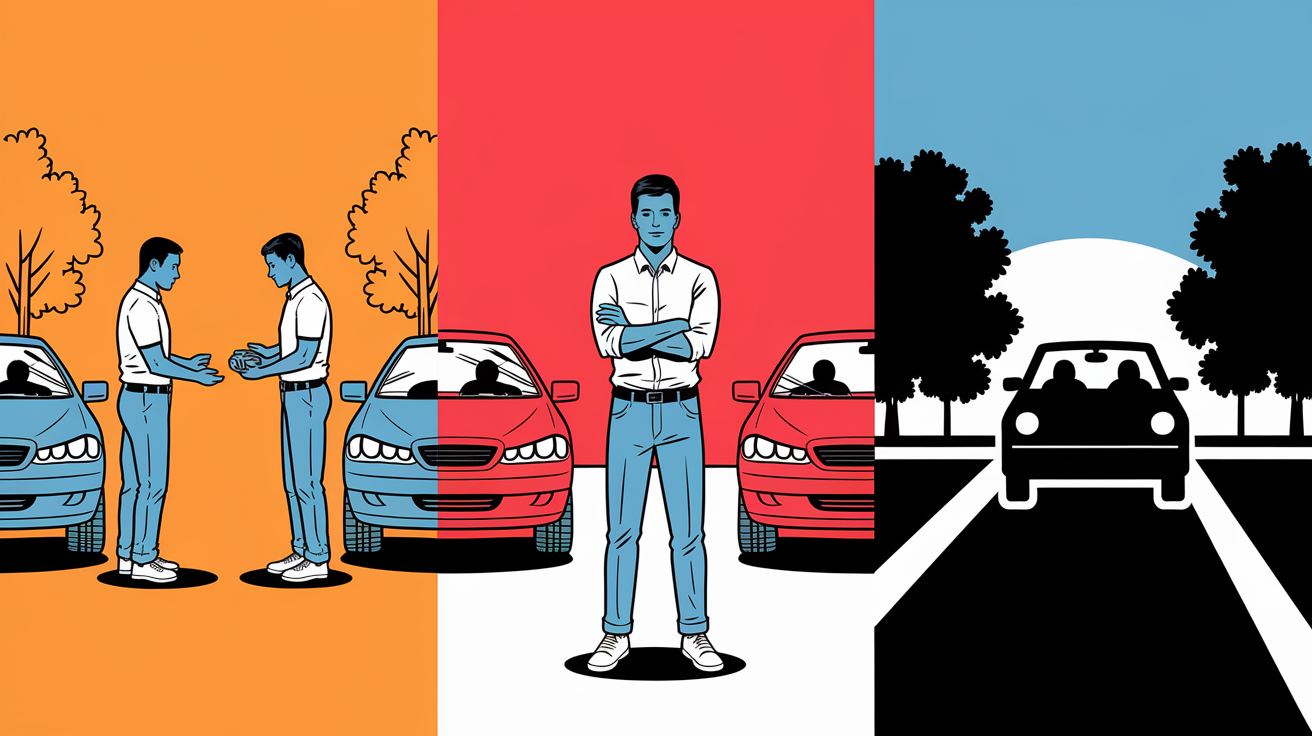
Who pays for damage and how you file depends on fault determination and the coverage types involved. The process changes based on whether you caused the accident, the other driver did, or no other driver can be identified.
At Fault Claims
If you caused the accident, file a claim under your own collision coverage (if you carry it) to repair your vehicle. Your insurer pays the approved estimate minus your deductible. Your liability coverage pays for damage to the other party’s vehicle and any injuries they sustained, up to your policy limits. At fault claims often lead to premium increases at renewal, so if damage is minor and below your deductible, consider paying out of pocket to avoid a claim on your record. Always report the incident to your insurer even if you decide not to file a claim for your own damage, because the other party may file a liability claim against you.
Not At Fault Claims
When the other driver’s at fault, you’ve got two main options. You can file a third party claim directly with the at fault driver’s liability insurer, providing your evidence and repair estimates. If that insurer accepts fault, they’ll pay for your repairs without you paying a deductible. This process can be slower because you’re dealing with a company that doesn’t represent you. The second option is to file a claim with your own insurer under collision coverage, pay your deductible, and let your insurer pursue subrogation against the at fault party. If subrogation succeeds, your insurer recovers its payout and reimburses your deductible. This route gets your car fixed faster but requires you to front the deductible.
Hit and Run Accidents
If the other driver flees and you can’t identify them, file a police report immediately and note any details you remember (vehicle color, make, partial plate number, direction of travel). Then file a claim under your uninsured motorist property damage coverage (if your state and policy include it) or under collision coverage. You’ll pay your deductible unless your policy waives it for hit and run incidents (some insurers offer this feature). If you have uninsured motorist bodily injury coverage, it may cover medical expenses for you and your passengers even though the at fault driver isn’t identified.
Rental Cars, Repairs, and Choosing a Shop After Filing a Claim
Once your claim’s approved and damage is assessed, you’ll need to decide where to repair your vehicle and whether you need a rental car while yours is in the shop. Insurers often have preferred processes, but you retain the right to make choices that fit your situation.
Rental car reimbursement is a coverage option that pays a daily rate (often 25 to 50 dollars per day) for a replacement vehicle while yours is being repaired or until your claim’s settled if the car’s totaled. If you didn’t purchase this coverage, you’ll pay for the rental out of pocket. If you did, contact your insurer or the rental company they partner with to arrange a vehicle. Keep all rental receipts and submit them with your claim. Reimbursement limits may cap the total number of days or the daily rate, so confirm your policy details before booking an upgrade or extending the rental period.
Repair timing varies. Simple jobs like bumper replacement or panel repainting may take three to seven days. More extensive damage involving frame repair or parts on backorder can stretch to two to four weeks. Direct repair programs connect you with network shops that have pre-negotiated agreements with your insurer, often guaranteeing faster approval and warranty coverage. You’re not required to use a network shop. You can choose any licensed repair facility. If you select an independent shop, your insurer will still provide an estimate and authorize payment, but you may need to coordinate approvals and handle any disputes over parts or labor rates yourself.
Key repair and rental considerations:
OEM versus aftermarket parts – Original equipment manufacturer parts match your vehicle’s factory specifications but cost more. Aftermarket parts are less expensive and may be acceptable depending on your vehicle’s age and value. Some policies specify OEM parts for newer vehicles.
Supplement estimates – If the shop discovers hidden damage (like frame issues revealed after disassembly), they’ll submit a supplement to the insurer for additional authorization. This can add days to the repair timeline.
Rental duration tracking – Monitor how long repairs take. If delays occur due to parts availability, ask your insurer if they’ll extend rental coverage beyond the initial estimate.
Payment to shop – Some insurers pay the shop directly after repairs are complete and you’ve inspected the work. Others issue a check to you, and you pay the shop. Clarify the payment method so you’re not caught without funds at pickup.
Quality guarantees – Network shops often provide insurer backed warranties on repairs. Independent shops may offer their own guarantees. Ask for written warranty terms before authorizing work.
These steps ensure you get your vehicle back safely and avoid out of pocket costs that exceed your coverage.
Common Claim Filing Mistakes That Lead to Delays or Denials
Even straightforward claims can stall or be denied if key steps are missed or handled poorly. Knowing the most frequent errors helps you avoid them and keeps your claim moving.
Admitting fault at the scene is one of the most damaging mistakes. Saying “I’m sorry” or “It was my fault” can be used against you during the investigation, even if evidence later shows shared responsibility or that the other driver violated a traffic law. Stick to objective facts when describing the incident to police, witnesses, and your insurer. Similarly, delaying your report beyond the 24 to 72 hour window recommended by most insurers raises red flags. Late reporting makes it harder to verify details, locate witnesses, or inspect damage before repairs begin.
Six mistakes that commonly delay or reduce claim payouts:
-
Filing your claim more than 72 hours after the accident – Insurers may question coverage or suspect the damage occurred in a separate, unreported incident.
-
Incomplete or poor quality photos – Missing wide shots, skipping license plates or VINs, or submitting blurry images forces the adjuster to request re-submission or conduct a second inspection.
-
Not collecting witness contact information – Witness statements can resolve disputed fault cases. Without names and phone numbers, your insurer has less leverage to counter the other party’s version.
-
Accepting verbal repair estimates without written backup – Verbal quotes aren’t verifiable. Always get itemized, written estimates from at least one shop (preferably two or three) before submitting your claim.
-
Authorizing repairs before the insurer inspects or approves the estimate – If you start repairs without authorization, the insurer may refuse to cover parts or labor they didn’t pre-approve.
-
Missing receipts for towing, rental, or medical expenses – Out of pocket costs must be documented. Keep originals and submit copies within 30 days to ensure timely reimbursement.
Avoiding these pitfalls protects your claim and speeds resolution.
How to Appeal, Dispute, or Escalate a Car Insurance Claim Decision

If your insurer denies your claim, offers a settlement you believe is too low, or delays unreasonably, you have options to challenge the decision. Understanding the escalation process and knowing when to involve outside help keeps you from accepting an unfair outcome.
Start by requesting a written explanation of the denial or settlement offer. Insurers must provide specific reasons citing policy language, state regulations, or evidence gaps. Review the explanation carefully and gather any missing documentation or new evidence that addresses their concerns. For example, if the insurer denied your claim because you filed late, check your policy’s reporting deadlines and any written communication proving you notified them within the required window. If the settlement offer undervalues your vehicle, obtain independent appraisals or market listings for comparable vehicles to support a higher ACV.
Submit your additional evidence and a written request for reconsideration to your assigned adjuster. If the adjuster maintains the original decision, escalate to their supervisor or the claims manager. Keep detailed notes of every conversation: date, time, person’s name, and what was said. If internal escalation doesn’t resolve the issue, file a formal complaint with your state’s insurance department. State regulators investigate consumer complaints and can compel insurers to re-evaluate claims or clarify policy interpretations.
When to Involve the State Insurance Department
Contact your state insurance department if your insurer refuses to provide a written denial explanation, ignores your escalation requests for more than 30 days, or applies policy terms inconsistently. Most state departments offer online complaint forms and assign a case number within a few business days. The insurer must respond to the regulator within a set timeframe (often 15 to 30 days depending on the state). If the regulator finds the insurer violated state law or acted in bad faith, they may order the insurer to pay your claim, issue fines, or mandate policy changes. You can also consult an attorney who specializes in insurance disputes, especially if your claim involves significant damage (over 5,000 to 10,000 dollars), serious injuries, or clear liability that the insurer’s contesting without valid grounds.
Final Words
Start by securing safety, taking clear photos and videos, and getting names and police info — then work through the step‑by‑step checklist to notify your insurer fast.
We also covered extra documents that speed things up, filing options (online, app, phone), what to expect after you file, deductibles and total‑loss math, fault differences, rental and repair choices, common delays, and how to appeal.
Use this as your quick playbook for how to file a claim with car insurance. You’re ready to handle it calmly and get back on the road.
FAQ
Q: What is the best way to file a car insurance claim?
A: The best way to file a car insurance claim is to prioritize safety, document the scene with photos and videos, get a police report and witness info, then contact your insurer within 24 to 72 hours using the app or phone.
Q: How to claim insurance if it’s not your fault?
A: To claim insurance if it’s not your fault, file a police report, exchange driver and insurer details, photograph the scene, notify the other driver’s insurer and your own, and keep records—your insurer can pursue subrogation to recover costs.
Q: What not to say when filing a claim?
A: When filing a claim, don’t say you were at fault, guess how the crash happened, admit injuries are minor, or agree to quick settlements—stick to facts and say you don’t know when unsure.
Q: When someone hits you, do you call your insurance or theirs?
A: If someone hits you, call your insurance first to report the crash and get next steps; also exchange information with the other driver and report to their insurer when filing a claim or if asked.