


Think one missed payment can’t cost you much?
Think again.
A cancellation notice can end your coverage in days and leave you on the hook for accidents or fines.
Act fast: call your insurer within 24 to 48 hours, gather your policy number, billing statements, and proof of payment attempts, and ask whether reinstatement is possible.
This post gives clear, step-by-step recovery steps so you can restore coverage quickly or get temporary replacement options, plus the exact questions to ask on the phone.
Immediate Steps to Take After a Policy Cancellation for Missed Payment
You open your mailbox and there it is: a cancellation notice from your insurer. The clock’s already ticking. That notice tells you the effective cancellation date (when your coverage actually ends), the reason (usually “nonpayment of premium”), a deadline to pay if you want to avoid cancellation, and who to call. Most insurers give you only 24 to 48 hours for urgent reinstatement talks once you’ve got the notice in hand, so yeah, treat this like the immediate problem it is.
Before you pick up the phone, grab every document that proves you have a policy and tried to pay for it. You’ll need your policy number (it’s on your declaration page or any billing statement), recent billing statements showing the due date and what you owed, and proof of any payment attempts like bank records, canceled checks, or credit card statements. If your payment bounced because of a returned check or a declined card, having that ready speeds things up and shows the insurer you’re organized and serious.
Calling your insurer right away is the single most important thing you can do. Use the customer service number on the cancellation notice as soon as your documents are together. Your goal for that first call: find out if you’re still inside a grace period, whether reinstatement’s possible, how much you owe (including late or reinstatement fees), and what the exact deadline is. Write down the rep’s name, the date and time you called, and every detail they give you about next steps.
Here’s what to do in the first 24 to 48 hours:
-
Read the cancellation notice carefully and highlight the effective cancellation date, total amount due, and insurer contact number.
-
Gather your policy number, recent billing statements, bank statements or payment receipts, and a photo ID.
-
Call your insurer or agent right away. Ask if your policy can still be reinstated, what the reinstatement deadline is, and what the total payment will be (premium plus fees).
-
Confirm whether any grace period applies and whether reinstating will backdate your coverage to avoid a gap.
-
Document everything from the call. Write down the rep’s name, confirmation numbers, deadlines, and payment amounts they gave you. Follow up in writing if you can to create a paper trail.
Understanding Why Insurance Policies Get Canceled for Missed Payments
Insurers cancel policies for nonpayment when they don’t receive the premium by the due date and any grace period’s expired. The most common triggers? Failed automatic bank drafts (EFT failures from insufficient funds or closed accounts), returned checks, expired credit cards on file, and confusion about billing cycles like switching from annual to monthly payments. Even one missed installment can start the cancellation process if you don’t correct the payment fast.
State laws require insurers to send a notice before coverage ends, but those timelines vary. Most states require at least 10 to 20 days’ advance notice for nonpayment cancellations, but that window starts from when the notice is mailed, not when you receive it. Ignore the notice or miss the deadline and the cancellation becomes effective on the date printed in the letter. Late fees often run from $10 to $50 or about 1 to 5 percent of the overdue premium. Many insurers also charge a reinstatement fee if you want to restore the same policy.
Common triggers that lead to cancellation for nonpayment:
-
Failed electronic funds transfer from insufficient funds, account closures, or expired debit card details on file.
-
Returned checks marked “insufficient funds” or “account closed.”
-
Grace period expiration without receipt of payment, which automatically triggers policy termination.
-
Unprocessed premium financing when third-party financing companies don’t remit payment on time or the financing agreement lapses.
How to Reinstate Coverage After a Cancellation for Nonpayment

Reinstatement means bringing your canceled policy back to active status, usually by paying the past-due premium plus any late fees and a reinstatement fee. Most insurers charge reinstatement fees ranging from $25 to $150, depending on the company and the state. Paying to reinstate is almost always cheaper than buying a brand-new policy, because a new policy often requires a down payment equal to one to three months of premium and may come with higher rates because of the lapse on your record.
Some insurers will backdate your reinstated coverage to the original cancellation date if you pay within the grace period. That means you avoid any gap in coverage on your insurance history. This is huge because even a one-day gap can be reported to state motor vehicle departments (for auto insurance) or mess with your eligibility for discounts with future insurers. Always ask the rep whether backdating’s available and get written confirmation of the reinstated effective date, either by email or a revised declaration page mailed to you.
Not all insurers allow reinstatement. If too much time’s passed since the cancellation date (commonly more than 30 days), or if you’ve got a history of multiple lapses, the company may tell you that you need to apply for a new policy instead. In that case, you lose the continuous coverage advantage and may face higher premiums, so acting within the first few days matters.
Reinstatement Time Limits and Requirements
Reinstatement windows vary by insurer and product type. Auto and homeowners policies often allow reinstatement within the grace period (commonly 7 to 30 days after the due date) or within about 30 days after the effective cancellation date. Life insurance policies typically offer a longer reinstatement period, sometimes up to a few years, but may require proof of insurability or a medical exam. To find out your exact window, check your policy documents or ask the rep during your first call. Required documents usually include your policy number, a government-issued photo ID, recent billing statements, and bank or credit card records showing your payment history or failed payment attempts.
Here’s how to reinstate your policy:
-
Contact your insurer by phone within 24 hours of getting the cancellation notice and confirm whether reinstatement’s still possible.
-
Ask the rep what the reinstatement window is (grace period or post-cancellation deadline) and verify the exact date by which you must make payment.
-
Pay the total overdue premium, plus any late fees and the reinstatement fee, using the payment method the insurer accepts (often credit card, debit card, electronic check, or certified funds).
-
Request written confirmation that your payment was received and processed, including the new or backdated effective date of coverage.
-
Submit any additional documentation the insurer requests, such as proof of prior payment attempts or updated contact information.
-
Confirm the exact date your coverage’s active again and ask whether the reinstatement will appear on your insurance record as continuous coverage or as a lapse followed by reinstatement.
What to Do If Your Insurer Refuses to Reinstate the Policy

If the insurer tells you reinstatement’s not available, you need replacement coverage immediately to avoid driving, living, or operating without insurance. Insurers commonly deny reinstatement if the cancellation was finalized more than 30 days ago, if you’ve got multiple prior cancellations on record, or if underwriting rules have changed and you no longer meet the company’s eligibility criteria. Any period without coverage is high-risk because you’re personally liable for accidents, property damage, or injuries. In many states, driving uninsured can result in fines, license suspension, or vehicle impoundment.
Temporary and high-risk coverage options exist to fill immediate gaps while you shop for a permanent policy. These are more expensive than standard policies, but they keep you legal and insured during the transition. If you need an SR-22 filing (a state-required proof of insurance certificate), many high-risk insurers specialize in SR-22 policies and can issue the filing within 24 to 72 hours.
Emergency coverage and alternative options:
-
Short-term or temporary auto insurance policies that provide liability coverage for 1 to 6 months while you secure a permanent replacement (not available in all states).
-
Nonowner auto insurance, which covers you when driving vehicles you don’t own and is often used by drivers without a car or those who need to maintain continuous coverage after a cancellation.
-
High-risk insurance pools or state-assigned risk plans, available in many states for drivers who can’t get coverage in the standard market, often after cancellations or SR-22 requirements.
-
Independent insurance brokers who have access to multiple carriers, including specialty and nonstandard insurers that accept drivers with recent lapses or cancellations.
-
Immediate SR-22 filings through insurers that specialize in high-risk drivers, which let you meet state requirements and restore your license or registration quickly.
Grace Period Rules and Effective Cancellation Dates

Grace periods are short windows after your premium due date during which your coverage stays active even though payment hasn’t been received. The length depends on the type of insurance and the state where the policy was issued. If you pay the overdue premium during the grace period, most insurers treat the policy as continuously active with no lapse, and you avoid late fees or reinstatement fees in many cases. Once the grace period expires, the policy cancels on the effective date listed in the notice, and reinstatement becomes necessary.
Auto insurance grace periods are often shorter than other products, commonly 7 to 15 days depending on the insurer and state law. Homeowners insurance grace periods are similar, often around 10 to 30 days. Life insurance policies typically offer the longest grace period, usually 30 to 31 days, because cash-value policies have built-in loan provisions that can sometimes cover missed premiums automatically. Always check your policy documents or call your insurer to confirm the exact grace period that applies to your coverage.
The effective cancellation date is the date your coverage officially ends if payment isn’t made. This date’s clearly stated on the cancellation notice, and it’s the day from which any lapse begins. If you have an accident or file a claim on or after the effective cancellation date, the insurer won’t cover the loss, even if you later reinstate the policy. Understanding this date matters because it tells you exactly how much time you have to act.
| Grace Period Type | Typical Length | Notes |
|---|---|---|
| Auto insurance | 7–15 days | Varies by insurer and state; some states require minimum notice periods before cancellation for nonpayment. |
| Homeowners insurance | 10–30 days | Mortgage servicers often require immediate proof of replacement coverage to avoid forced-placed insurance. |
| Life insurance | 30–31 days | Longer grace period allows policyholders time to pay; some cash-value policies may automatically loan against policy value to cover premium. |
Required Documentation to Restore or Replace Coverage
When you contact your insurer to reinstate a canceled policy or apply for a new one, having the right documents ready speeds things up and cuts down the chance of delays or denials. Insurers need proof of your identity, your policy details, and evidence of your payment history to verify your account and process reinstatement or underwriting. Missing documents can add days or even weeks to the timeline, so gather everything before your first call or visit to an agent.
New carriers require proof of prior insurance to set accurate rates and determine your eligibility for discounts. If you’re applying for a replacement policy after a cancellation, expect the underwriter to ask whether you had continuous coverage before the lapse, how long the lapse lasted, and whether any claims were filed during or immediately before the cancellation. Honest disclosure is required on insurance applications. Misrepresenting a lapse can result in denial of claims or policy rescission later.
Documents commonly needed for reinstatement or new policy underwriting:
-
Policy number and declaration page from the canceled policy, which show coverage limits, deductibles, effective dates, and vehicle or property details.
-
Government-issued photo ID such as a driver’s license or state ID card to verify your identity and address.
-
Recent billing statements or invoices showing the premium due date, amount owed, and payment schedule.
-
Bank statements, credit card statements, or canceled checks that prove you attempted to make payment or show transaction history related to the policy.
-
Proof of prior insurance if applying with a new carrier, often in the form of a declaration page, insurance ID card, or a letter from the prior insurer confirming coverage dates.
Consequences of a Coverage Lapse After Policy Cancellation

A coverage lapse is a period during which you have no active insurance policy. It starts the day after your policy’s effective cancellation date. Lapses are reported to state motor vehicle departments for auto insurance, to mortgage servicers for homeowners insurance, and to underwriting databases that insurers check when you apply for new coverage. Even a lapse of one or two days can raise your future premiums, and longer gaps often result in rate increases of 20 to 50 percent or more, especially if you’re already considered a higher-risk driver.
Driving without auto insurance is illegal in nearly every state, and the penalties are serious. If you’re caught driving uninsured, you can face fines that commonly range from a few hundred to over a thousand dollars, suspension of your driver’s license and vehicle registration, impoundment of your vehicle, and a requirement to file an SR-22 certificate with the state for several years. Some states use automated systems that cross-check registration and insurance databases, so you can receive a penalty notice in the mail even if you aren’t pulled over.
Any accident or loss that happens during a lapse isn’t covered by your canceled policy. If you cause a car accident while uninsured, you’re personally liable for all property damage, medical bills, and legal fees, which can easily reach tens or hundreds of thousands of dollars. If your home’s damaged by fire, storm, or theft during a homeowners insurance lapse, you’ll pay for all repairs and replacement costs out of pocket. This is why getting temporary or replacement coverage right away is so important, even if it costs more than your prior policy.
SR-22 and Other Filing Requirements After Cancellation for Nonpayment
An SR-22 is a state-required certificate that proves you carry at least the minimum liability insurance required by law. If your state motor vehicle department’s notified that your auto insurance was canceled for nonpayment, you may be required to file an SR-22 to reinstate your driver’s license or vehicle registration. SR-22 requirements are most common for drivers who already had an SR-22 on file before the cancellation, but some states also impose SR-22 filing after any insurance lapse, especially if you were involved in an accident or citation while uninsured.
SR-22 filing fees typically range from $25 to $100 depending on the state and the insurer. The SR-22 itself isn’t insurance, it’s a form your insurer files electronically with the state to confirm that you have an active policy meeting minimum coverage requirements. You’ll need to maintain the SR-22 for a period set by your state, often one to three years, and any lapse in coverage during that time will result in automatic notification to the DMV and possible suspension of your license.
Steps to handle SR-22 and DMV requirements after a cancellation:
-
Contact your state motor vehicle department or check their website to confirm whether an SR-22 or other proof of insurance filing is required after your cancellation.
-
If an SR-22’s required, get a new auto insurance policy from an insurer that offers SR-22 filings (most standard and all high-risk insurers do).
-
Pay the SR-22 filing fee, which the insurer will add to your policy cost, and confirm that the insurer will file the certificate electronically with the state within 24 to 72 hours.
Appeals, Disputes, and Consumer Rights
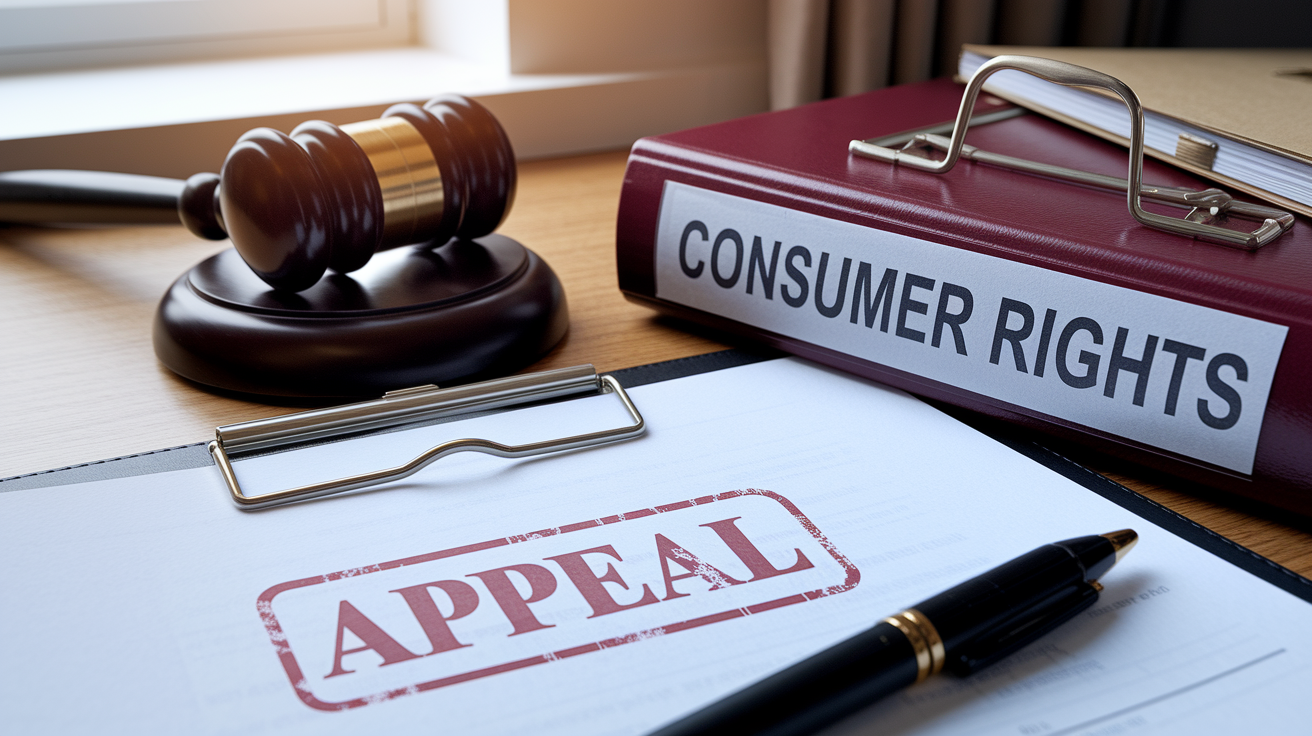
If you believe your policy was canceled improperly, such as when you have proof that payment was made on time or the insurer didn’t follow required notice procedures, you’ve got the right to dispute the cancellation. Start by requesting an internal appeal or review with the insurer. Many companies have formal appeals processes that let you submit documentation like bank transaction records, payment confirmations, or proof of mailing to show that the premium was paid or that the cancellation notice wasn’t received in time.
Document every payment attempt, every phone call, and every piece of correspondence related to your policy. Save copies of checks, electronic payment confirmations, emails, letters, and notes from phone conversations including the date, time, and name of the rep you spoke with. This documentation’s critical if you escalate the dispute to your state insurance regulator or if a claim’s denied because of the cancellation. Regulators and arbitrators rely on written evidence, and clear records strengthen your case.
How to File a Complaint with Your State Insurance Regulator
Every state has an insurance department or commissioner’s office that regulates insurers and handles consumer complaints. If your insurer refuses to reinstate your policy despite valid payment proof, fails to provide required notice, or denies your internal appeal, you can file a formal complaint with your state regulator. Most state insurance departments accept complaints online through their websites, and the process is free.
When you file a complaint, include your policy number, a clear description of the issue (for example, “Insurer canceled policy for nonpayment despite timely electronic payment on [date]”), copies of all supporting documents (billing statements, payment confirmations, correspondence), and a statement of what resolution you’re seeking (such as reinstatement with backdated coverage or waiver of reinstatement fees). State regulators typically acknowledge receipt of complaints within 7 to 30 days and complete investigations within 30 to 90 days, depending on the complexity of the case and the state’s workload. The regulator will contact the insurer, review your documentation, and issue a determination. If the regulator finds the insurer acted improperly, they may order reinstatement, refund of fees, or other remedies.
Preventing Future Cancellations Due to Missed Payments

The simplest way to avoid cancellation for nonpayment? Set up automatic payments through your bank account or credit card. Autopay gets rid of the risk of forgetting a due date, and most insurers offer a small discount (often around 3 to 5 percent) for enrolling in automatic electronic payments. Check your bank account or credit card a few days before each payment’s scheduled to make sure you have enough funds and that the card on file hasn’t expired.
Updating your contact information with your insurer is just as important as setting up autopay. If you move, change your email address, or get a new phone number, tell your insurer right away so that billing statements, cancellation notices, and policy documents reach you on time. Many cancellations happen because the policyholder never received the notice because of outdated mailing or email addresses. Most insurers let you update contact details online or by phone in just a few minutes.
Steps to prevent future missed payments and cancellations:
-
Enroll in autopay or electronic funds transfer and verify that your bank account or credit card has enough funds and isn’t expired.
-
Set multiple calendar reminders a few days before each premium due date as a backup in case autopay fails.
-
Monitor your bank or credit card statements regularly to confirm that insurance payments are being processed and to catch failed transactions right away.
-
Keep one to three months of premium in a separate savings account as an emergency reserve to cover insurance costs if your primary account has a temporary shortfall or if you experience a job loss or unexpected expense.
Final Words
First, read the cancellation notice and move fast. The window for fixing nonpayment is often 24–48 hours, so gather your policy number, billing records, and proof of attempted payments right away.
This article walked you through why cancellations happen, how to reinstate coverage, options if reinstatement is denied, grace period rules, SR‑22s, appeals, and simple steps to prevent a repeat.
If you’re asking what to do when your policy is canceled for missed payment, call your insurer, confirm reinstatement options, or buy short‑term coverage. You’ll get this handled and reduce the odds of another lapse.
FAQ
Q: Will my insurance get cancelled if I miss a payment? What happens if your car insurance gets cancelled for a missed payment?
A: If you miss a payment, your insurer can cancel your policy after the grace period, which can leave you uninsured, raise future rates, and make claims during the gap ineligible.
Q: Can you still pay your insurance after it cancels?
A: You can sometimes pay after cancellation if the insurer allows reinstatement; you’ll likely need to pay past-due premium, late and reinstatement fees, and get written confirmation before coverage resumes.
Q: What to do if an insurance company cancels your policy?
A: If an insurance company cancels your policy, read the notice, gather policy and payment records, call the insurer right away about reinstatement, and buy short-term or new coverage immediately if needed.