


Think moving three blocks won’t touch your car insurance? Think again.
Insurers price your policy by ZIP code and neighborhood, so changing your home parking address (where you park overnight) can nudge your rate up or down.
Sometimes the difference is a few percent; other times it’s tens of percent.
This post walks through the main drivers, like crime and theft, local crash rates, commute miles, parking type, and repair costs.
You’ll learn what questions to ask your company, how to provide the right proof, and quick steps to avoid surprise bills at renewal.
Key Ways an Address Change Impacts Car Insurance Rates

Insurers recalculate premiums whenever you move because car insurance rates are ZIP code specific. Even a short distance, a few blocks or a move across town, can produce a change. The shift might be a small single digit percentage or tens of percent depending on the risk profile of your new location. Companies use localized loss data and claims history to predict future payouts. The February 27, 2026 update reinforces that rating models remain deeply tied to geography, and every carrier maintains its own territory maps that divide cities and regions into distinct pricing zones.
Urban areas typically push premiums higher. Denser traffic, more frequent accidents, and elevated theft and vandalism exposure all play a role. Rural locations often lower rates because fewer drivers share the road and property crime is less common, but those savings can be offset by longer daily commutes and wildlife collision risk. Suburban zones fall in between. Insurers don’t treat all rural or urban ZIP codes identically. They examine historical claims data for each small geographic area, so two neighborhoods that look similar can carry meaningfully different rates. That’s why simply knowing whether you’re moving to a city or the countryside doesn’t tell you exactly how your bill will change.
Multiple location based factors combine to determine your final premium. Each of these categories is evaluated separately and then blended into the rate calculation:
- Accident frequency – local collision counts and traffic density
- Theft likelihood – vehicle break ins, vandalism, and carjacking rates in your neighborhood
- Weather exposure – hail, flood zones, hurricane corridors, or winter storm patterns
- Repair and medical costs in the area – local labor rates, parts availability, and hospital charges
- Parking conditions – street parking versus secured garage, on property versus off site storage
- Commute distance – how many miles you drive from your garaging address to work and how congested your route is
Understanding ZIP Code Based Car Insurance Rating
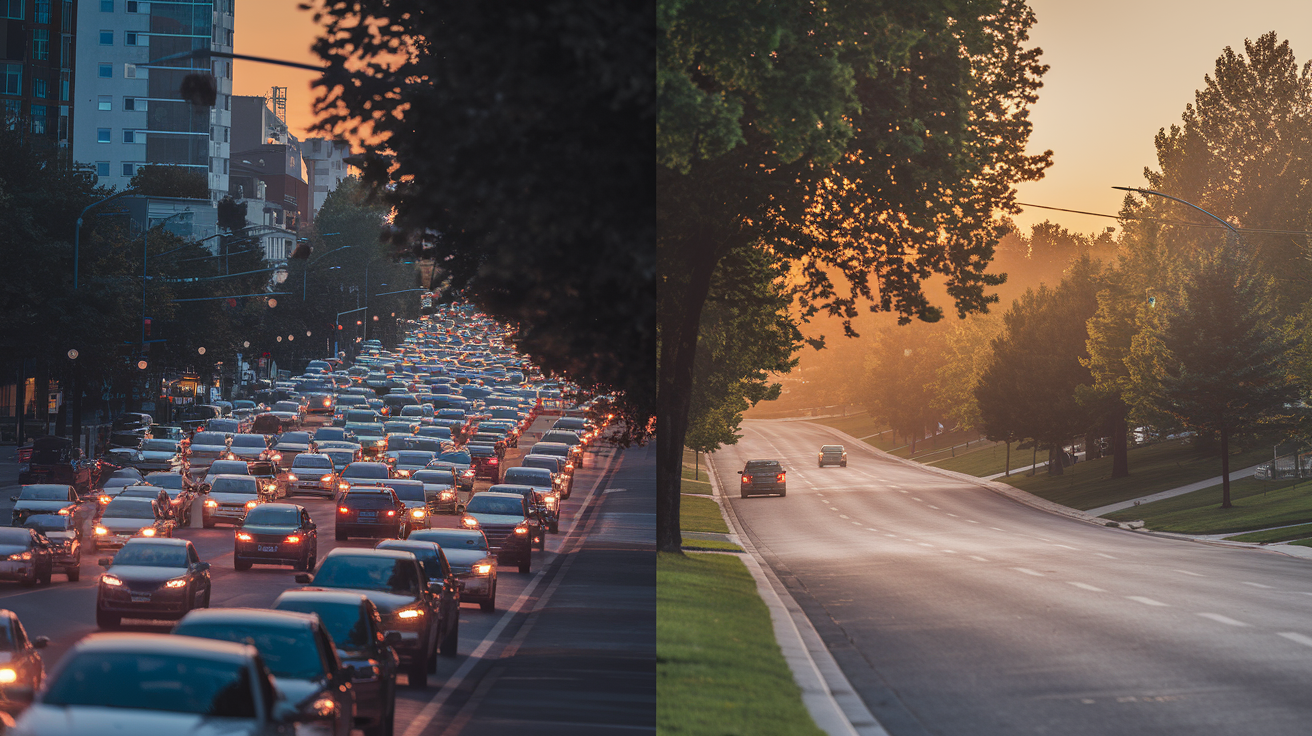
Insurers divide states and metro areas into rating territories, and the most granular unit is usually the ZIP code. Each carrier builds territory maps using historical claims data, so a ZIP code with frequent collision or theft claims will carry higher base rates than a nearby code with cleaner loss history. Companies refresh these maps regularly as new claims roll in. A neighborhood that was once low risk can become expensive if local accident or crime trends shift. Territory classification is a core underwriting step. Before your driving record or vehicle details enter the calculation, the insurer assigns a base rate tied to where you garage the car.
Theft and vandalism risks are measured at the neighborhood or even block level because those perils happen when the car is parked. Accident risks are often evaluated by county or broader region because collisions occur over the roads you travel, not just at your home address. Some factors, drunk driving prevalence, road infrastructure quality, traffic congestion, are county wide or metro wide inputs. Others, like local crime statistics or whether your street has dedicated parking, apply only to your immediate area. This layered approach means two drivers in the same city can see very different premiums if one lives downtown and the other in a quiet suburb, even though both share regional weather and state law.
| Rating Factor | How It’s Measured | Why It Impacts Premiums |
|---|---|---|
| Collision frequency | Historical accident counts per 1,000 drivers in your ZIP or county | More crashes mean higher expected collision and liability payouts |
| Theft and vandalism rates | Police reports and insurer claims data for your neighborhood | Higher theft risk raises comprehensive coverage costs and can increase your overall premium |
| Local repair costs | Average labor rates and parts pricing at body shops near your address | More expensive repairs increase the insurer’s payout per claim, which gets priced into your rate |
How Garaging Address and Parking Conditions Shape Car Insurance Costs

Your garaging address is the location where you park your car overnight. It’s one of the most important inputs for comprehensive and collision pricing. Street parking in a high crime neighborhood exposes your vehicle to theft, break ins, keyed paint, and broken windows, so insurers charge more for those risks. A car stored in a locked, private garage faces far lower vandalism and theft exposure, and many carriers offer specific garage discounts to reflect that safer environment. Secured parking structures, whether a home garage, a gated lot, or a monitored parking facility, all reduce risk compared to leaving your car on the curb.
Insurers often ask for proof of garaging location because drivers sometimes list a safer address to lower their premium while actually parking somewhere riskier. Acceptable documentation includes a utility bill showing service at the address, a lease or mortgage statement, or a pay stub with your home address printed on it. If you park in a different location than your legal residence, for example renting garage space a few blocks away, tell your insurer. Misstating your garaging address can void discounts and create problems when you file a claim, especially if the insurer discovers the car was actually parked in a higher risk zone when the loss occurred.
Moving Within a City vs. Moving to a New State: Different Insurance Impacts

A local move, switching apartments within the same city or relocating a few miles to a neighboring suburb, will usually trigger a modest rate adjustment because you’re staying in the same state regulatory system and often in a similar risk zone. The premium can still shift noticeably if you move from a dense downtown ZIP code to a quieter residential area, or vice versa, because theft and collision frequencies vary by neighborhood. Insurers simply update your garaging address, recalculate territory based factors, and issue an endorsement or adjust your renewal premium. You don’t need to buy a new policy, and your coverage terms stay the same.
Regional moves within the same state, relocating from a major city to a small town an hour away, often produce larger changes because population density, crime patterns, and road conditions can differ significantly. You might see a meaningful rate drop if you leave an expensive metro area for a rural county. Or you could see an increase if you move from farmland into a congested suburb. State minimums and regulations remain constant, so your required coverage doesn’t change, but the base rate tied to your new territory will reflect local loss history.
Cross state moves introduce the biggest complexity because each state has its own minimum liability limits, fault system, and regulatory filing rules. Here’s how those differences play out:
- Minimum coverage requirements change. Michigan requires up to one million dollars in property damage coverage for in state accidents, the strictest mandate in the country. New Jersey doesn’t require bodily injury liability at all, one of the most lenient structures. You’ll need to adjust your policy to meet the new state’s floor.
- Fault laws vary. No fault states like Michigan and Florida require personal injury protection and often show higher premiums because of increased fraud and lawsuit frequency. Traditional tort states let drivers sue for damages more freely, but premium impacts depend on local loss patterns.
- Rate regulation systems differ. Some states use prior approval systems where insurers must get regulator sign off before changing rates. Others, like Wyoming, are fully deregulated with no state review. These frameworks affect how quickly and how much rates can shift.
- Uninsured driver rates and regional hazards change. Mississippi has high uninsured motorist percentages, which raises premiums. Oklahoma faces frequent hail, Colorado has the nation’s highest vehicle theft rates, and Vermont shows the lowest theft risk. Your new state’s specific exposures will be priced into your policy.
How Commute Distance and Daily Driving Patterns Change After Moving

Your commute distance is a direct rating factor because more miles on the road increase your exposure to accidents. If your new address shortens your work commute by ten miles each way, you’re reducing annual mileage and collision risk, which can lower your premium. If you move farther from your job or switch to a congested route, insurers will adjust your rate upward to reflect the higher likelihood of a claim. Some carriers offer low mileage discounts that kick in below a certain annual threshold, often 7,500 or 10,000 miles, so a shorter commute might qualify you for that break.
Traffic patterns matter as much as distance. A five mile commute through dense city traffic with frequent stops and lane changes carries more collision risk than a fifteen mile highway drive in light traffic. Insurers consider local congestion levels and accident hotspots when pricing your policy, so moving to a neighborhood with easier access to work or school can help even if the mileage stays similar. When you notify your insurer of an address change, provide your updated commute details. Employer address, estimated one way distance, and whether you use the car for work purposes beyond commuting so the company can calculate an accurate rate.
When and How to Notify Your Insurer of an Address Change
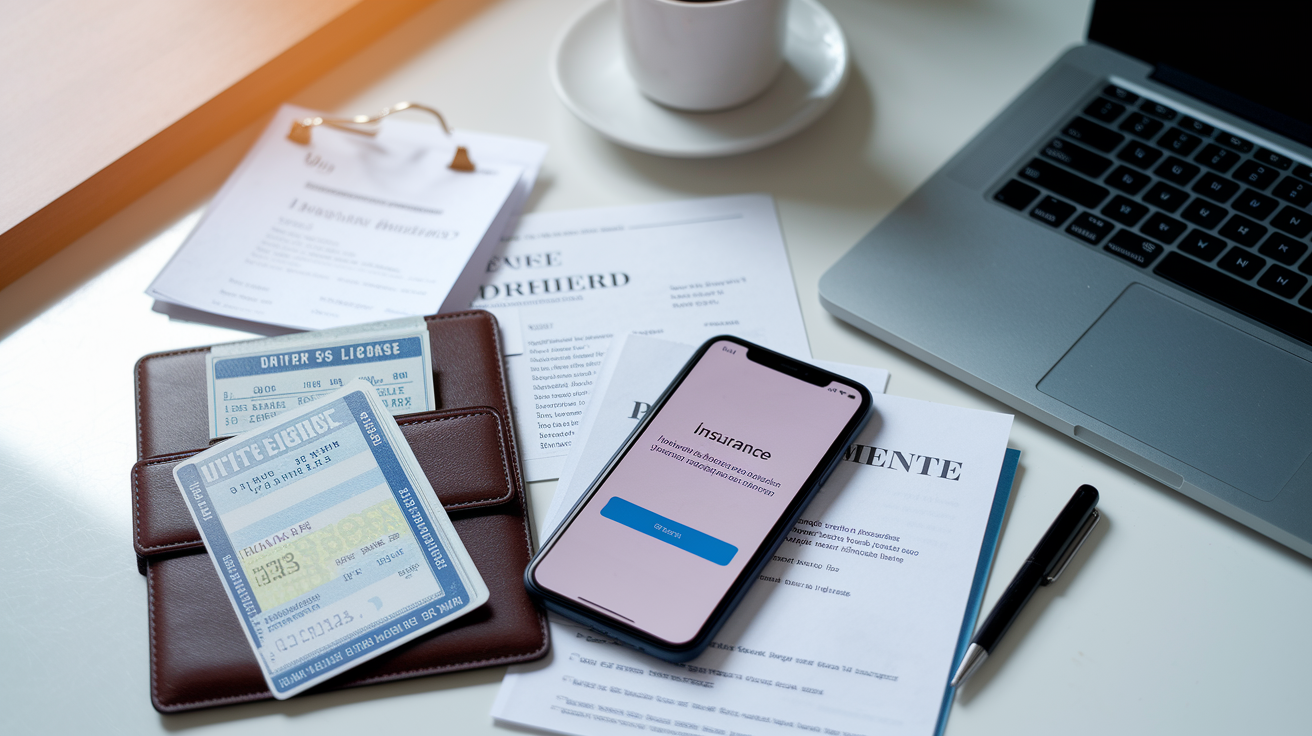
Notify your insurer before you move or immediately after the move is complete. Call or log into your account a few days before your move in date, provide the new garaging address, and ask for a quote reflecting the change. This gives you time to shop or adjust coverages if the new rate is higher. Most carriers allow address updates online, by phone, or through your agent, and the change is free. You’ll need the full street address where you’ll park the car overnight, your new commute mileage, and the effective date you want the update to take effect.
Insurers typically ask for proof of residence to confirm the new address is accurate. Acceptable documents include a recent pay stub with your address, a W-2 form, a utility bill showing service at the new location, or your updated driver’s license. Keep copies of these in your file in case the company requests verification later. If you’re moving across state lines, contact your insurer as soon as possible because you may need a new policy or endorsement to comply with the new state’s minimum requirements. Some carriers can’t write policies in certain states, so you might need to switch companies entirely.
Here’s a simple notification checklist to follow:
- Call or log in to your insurer’s online portal at least one week before your move date if possible.
- Provide the complete new garaging address, including apartment or unit number if applicable.
- Update your commute distance, employer address, and annual mileage estimate based on your new location.
- Ask whether the address change will increase or decrease your premium and when the adjustment takes effect.
- Submit proof of residence, pay stub, utility bill, lease, or mortgage statement, if the insurer requests it.
Consequences of Not Updating Your Car Insurance Address

Failing to update your address can trigger retroactive premium adjustments. If your insurer discovers you’ve been living in a higher rate ZIP code than the one on file, the company can bill you for the difference going back to the date you moved. Some carriers will apply the correction at your next renewal, but others may send a mid term bill. Either way, you’ll owe the gap between what you paid and what you should have paid, and the insurer may add interest or administrative fees depending on state law and company policy.
Claims filed from an incorrect address create bigger problems. If you report a theft or accident and the insurer finds out the car was actually garaged somewhere other than your listed address, the company can deny the claim or reduce the payout. Comprehensive claims are especially vulnerable because theft and vandalism rates vary sharply by neighborhood. If you told your insurer you park in a locked garage but the car was stolen from a street in a high crime area, that’s considered material misrepresentation, and the policy terms may not apply. Liability and collision claims can also be questioned if your actual commute or driving patterns don’t match what you reported.
Persistent non disclosure or intentional address fraud can lead to policy cancellation or non renewal. Insurers cross check addresses with DMV records, mortgage filings, and third party databases to detect inconsistencies. If the company believes you’ve been dishonest about your garaging location to get a lower rate, it can cancel your policy and report the cancellation to state regulators and industry databases. That makes it harder and more expensive to get coverage from another carrier. Honest mistakes, forgetting to update your address after a move, are usually handled with a simple correction and back payment, but repeated or deliberate misstatements carry serious underwriting consequences.
How Weather, Crime, and Local Hazards Influence Address Based Premium Changes

Weather patterns vary by region and directly affect comprehensive and collision pricing. Oklahoma sees frequent hailstorms that cause widespread vehicle damage, so comprehensive premiums in hail prone ZIP codes run higher than in states with calmer weather. Coastal areas exposed to hurricanes face elevated comprehensive risk from wind and flood, and flood zone designations can add surcharges even if you carry full coverage. Winter storm belts with heavy snow and ice see more collision claims because of slippery roads and reduced visibility, which can raise liability and collision costs.
Crime statistics at the neighborhood level shape comprehensive premiums because theft, vandalism, and carjacking are location specific perils. Colorado has the highest vehicle theft rates in the country, and premiums in Denver and surrounding areas reflect that exposure. Vermont has the lowest theft risk, so comprehensive coverage there costs less. Insurers pull crime data from local police departments and their own claims history to assign risk scores to each ZIP code. If you move into a neighborhood with rising auto theft, your comprehensive premium will increase even if your collision and liability rates stay flat.
Local hazards also include road quality, traffic enforcement, and drunk driving prevalence:
- Poor road conditions. Potholes, narrow streets, inadequate lighting, and high traffic intersections increase accident frequency and severity.
- Traffic enforcement levels. Areas with aggressive speed enforcement and DUI checkpoints often show lower accident rates, which can translate to modestly lower premiums.
- Drunk driving rates. Counties with high DUI arrest rates see more severe collisions and higher liability payouts, raising premiums for all drivers in that area.
Discounts and Strategies to Reduce Car Insurance Costs After Moving

If your new address pushes your premium higher, start by asking your insurer which discounts apply in your new location. Multi policy bundling, combining auto with homeowners or renters insurance, often delivers the largest single discount, sometimes 15 to 25 percent off your auto premium. If you didn’t bundle before, moving is a good time to shop for a package deal. Anti theft devices, alarm systems, and GPS tracking can qualify you for comprehensive discounts, especially in high theft ZIP codes. If you’re parking in a garage for the first time, make sure your insurer knows so you can claim the garage discount.
Telematics and usage based insurance programs let you offset location based risk by demonstrating safe driving behavior. Even if your new ZIP code carries higher base rates, a clean telematics score, no hard braking, low nighttime driving, steady speeds, can bring your premium back down. Some carriers offer initial enrollment discounts just for signing up, and you can usually cancel after a few months if the program doesn’t save you money. Usage based pricing works especially well if your new commute is shorter or you’re driving fewer miles overall, because the program rewards low annual mileage.
Here are five practical moves to lower your premium after relocating:
- Compare quotes from multiple carriers using your new address. Rates vary widely by company, and a carrier that was expensive at your old address might be cheap at your new one.
- Raise your deductibles on collision and comprehensive if your vehicle value and savings can cover a higher out of pocket amount in a claim.
- Drop collision or comprehensive if your car is older and the coverage cost exceeds the vehicle’s actual cash value.
- Ask about defensive driving course discounts. Many states require insurers to offer a small discount if you complete an approved course, and moving is a convenient time to take one.
- Review your liability limits. If your new state has lower minimums than your old one, you might be over insured, but don’t drop below a safe level just to cut costs.
How to Compare Car Insurance Quotes Using Your New Address

When shopping for coverage after a move, provide every carrier with the exact same information so you can isolate price differences. Use your new garaging address, your updated commute mileage, and the same coverage limits and deductibles you carry now. If you’re comparing a 100,000/300,000 liability limit with a 500 dollar collision deductible at one company and a 50,000/100,000 limit with a 1,000 dollar deductible at another, you’re not seeing apples to apples pricing. Request quotes with identical policy structures, then compare the final premiums to find the best deal.
Online comparison tools that search quotes from 100 top insurance carriers can speed up the process and surface companies you might not have considered. Enter your new ZIP code and complete vehicle and driver details once, and the tool will return multiple quotes in minutes. Make sure the tool asks about your garaging address specifically, not just your mailing address, because that distinction matters for rating. If a tool only requests city or county, call the carriers directly to get accurate quotes tied to your exact location.
| Comparison Item | Why It Matters |
|---|---|
| Liability limits | Higher limits cost more but provide better protection. Compare the same limits across all quotes to see which carrier prices them most competitively. |
| Deductibles | A lower deductible raises your premium. Lock in the same collision and comprehensive deductibles for every quote so you’re comparing equal financial exposure. |
| Coverage types | Some quotes may exclude rental reimbursement, roadside assistance, or uninsured motorist coverage. Verify that every quote includes the same optional coverages or excludes them consistently. |
| Discounts applied | One carrier might automatically apply a multi policy discount while another waits for you to ask. Confirm which discounts are included in each quote and whether you qualify for additional breaks. |
Final Words
Tell your insurer you moved and expect a rate recalculation. Insurers use your ZIP, where you park, commute miles, and local hazards to reset premiums.
This post walked through ZIP code rating, garaging rules, moving across states, commute changes, when to notify, what can happen if you don’t, and ways to save after a move.
If you’re asking how does changing my address affect car insurance rates, get new quotes, show proof of residence, and ask about garage or bundle discounts. You’ll be better covered and usually pay a fairer price.
FAQ
Q: Will my car insurance go down if I change my address?
A: Changing your address can make your car insurance go up or down. Insurers recalculate rates by ZIP code based on crash, theft, weather, repair costs, and commute patterns. Check quotes before you move.
Q: Does it matter what address I use for my car insurance?
A: Yes, the address you use matters because insurers price policies to where the car is parked overnight. Use your primary garaging address and be ready to prove it with a bill or DMV record.
Q: What happens if you forgot to change your address on car insurance?
A: If you forget to update your address your insurer may adjust your rate, deny a claim, or cancel the policy after review. Tell them ASAP, provide proof of residence, and ask about retroactive charges.