
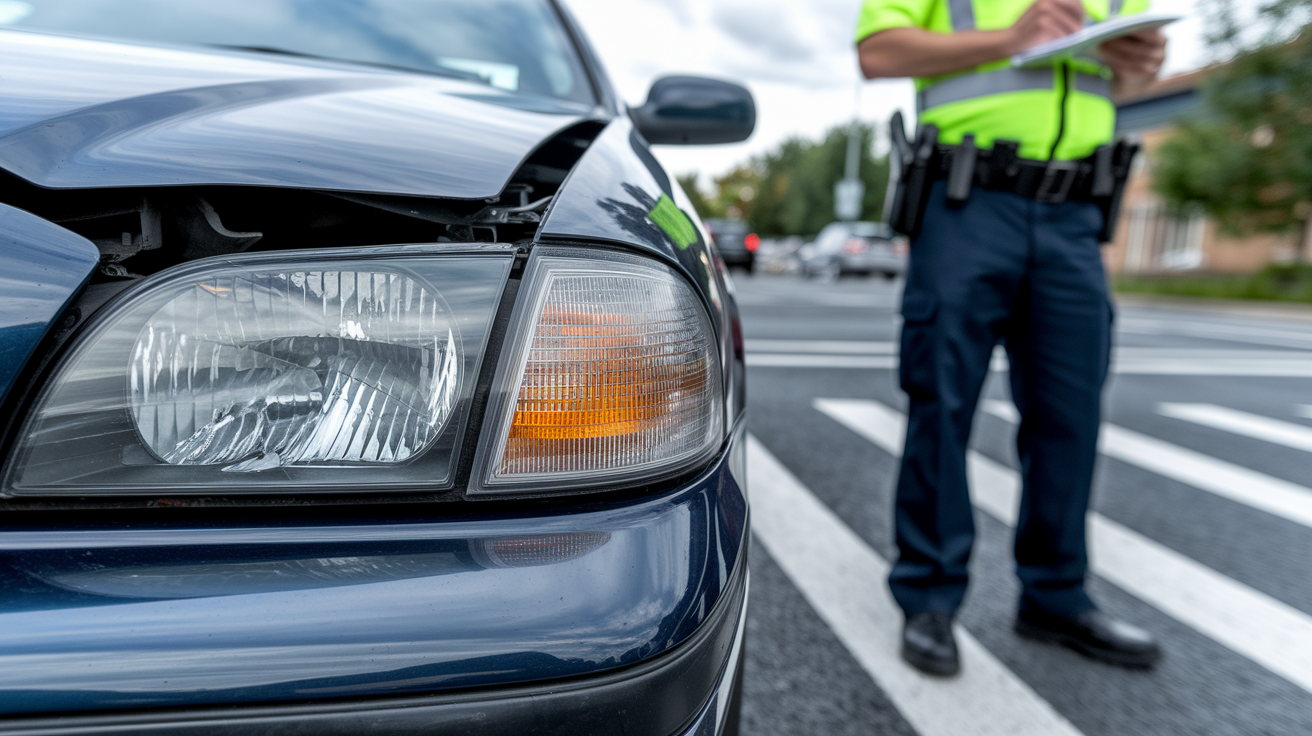

Think a police report is optional after a small fender-bender? Think again.
A police report is the neutral record insurers use to check facts, assign fault, and get your payment moving.
Skip it and you could face delays, denials, or a lot of back-and-forth.
This post gives clear, step-by-step actions: what to do at the scene, when to call 911, what evidence to bring, how to file online or at the station, and the common mistakes that slow claims.
Follow these simple steps and you’ll move your claim faster.
Immediate Actions and Reporting Requirements After an Accident
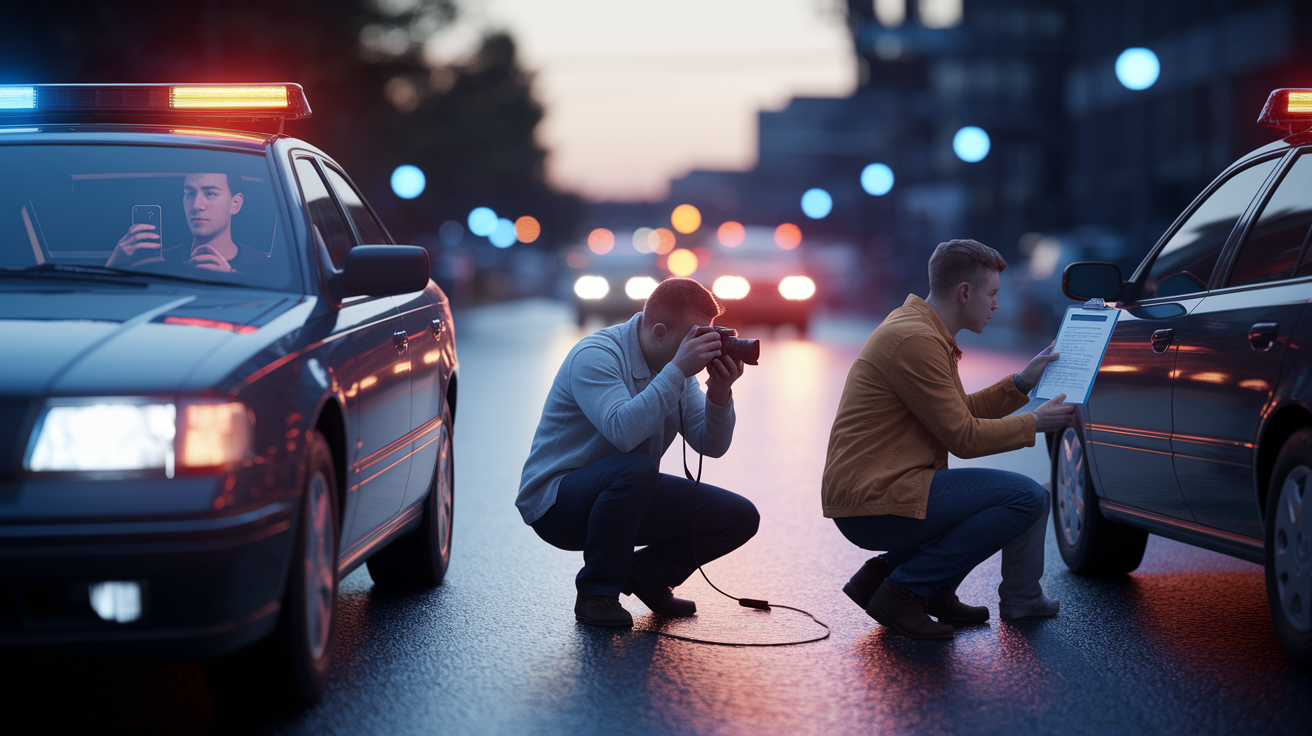
The first few minutes after a crash or theft decide whether your claim moves fast or stalls out. You want a police report because it’s a neutral record your insurer uses to check your story, figure out who’s at fault, and get money moving. Most policies say you need to report “as soon as practicable,” which really means within 24 to 72 hours for crashes and 24 to 48 hours for theft or vandalism.
You don’t always need a report by law. But insurers want one even when it’s optional. States usually require reports if someone’s hurt, if there’s a death, if it’s a hit and run, or if damage exceeds $500 to $2,000 (depends where you live). Even when police don’t show up, filing a report at the station or online gives adjusters a timeline they can work with.
Safety first. Once everyone’s okay, start gathering what you need. Skip steps now and you’ll be chasing down witness names or trying to remember details days later.
Do these five things in the first hour:
- Move to a safe spot if you can drive and traffic’s dangerous.
- Call 911 or the non-emergency line if anyone’s hurt, you suspect DUI, there’s serious damage, or something criminal happened (hit and run, theft).
- Swap info with the other driver: name, phone, address, insurance company, policy number, plate, make/model/year, VIN if you can see it.
- Take 8 to 15 photos minimum. Cover every vehicle, close-ups of damage, plates, VINs, skid marks, signals, wide shots of the whole scene. Grab a short video if you can.
- Get witness details: names and numbers for 1 to 3 people who saw it, plus where they were standing and what they told you.
When Filing a Police Report Is Mandatory or Strongly Recommended

State law sets the floor, but your policy usually asks for more. Most states want a report if anyone’s injured, if you hit a pedestrian or cyclist, if property damage crosses a dollar line (often $500 to $2,000), or if there’s suspected DUI, an uninsured driver, or a hit and run. Check your DMV or local police website for the exact threshold and deadline, they’re different everywhere.
Even when your state doesn’t require a report for small bumps, many insurers demand one for theft, total loss, or uninsured motorist claims. Filing protects you if the other person changes their story or if hidden damage shows up later. When you’re unsure, file. There’s no downside to having a record, but skipping one can get your claim denied or delayed.
Four situations where you really need a police report:
- Any crash with injury or death. Every state and every major insurer wants an official record of injuries, medical response, and what the officer saw.
- Hit and run or uninsured motorist claims. Insurers won’t move forward without a report number.
- Theft, vandalism, or break-in. Comprehensive claims for a stolen car or stolen property almost always need a police case number before payout.
- Damage above your state’s limit or when the other driver asks for a report. Even if you think it’s minor, file if they do. Better to have it on record.
Step‑by‑Step Instructions for Filing a Police Report

How you file depends on timing and whether officers come to the scene. On-scene filing means you called 911 or the non-emergency number and an officer showed up to write everything down. The officer secures the area, talks to everyone, collects witness statements, and gives you a case or incident number (usually 6 to 10 digits).
If no officer comes or you’re reporting theft or vandalism you found later, you can file at the station or online. Lots of departments let you file online for non-injury crashes, theft, and property crimes. Check the local police website to see if you qualify. Online systems usually won’t take reports with injuries, suspected DUI, or arguments that need an officer to sort out.
Filing in person at the station lets you ask questions and make sure every detail gets captured. Bring your license, registration, insurance card, photos, witness info, and any receipts for medical bills or towing. Officers take your statement, issue a case number, and tell you when the full report will be ready.
Six steps to file a police report for your claim:
- Call 911 or the local non-emergency line right after a crash with injury, big damage, or an ongoing hazard. For theft or vandalism, call as soon as you notice.
- Get the officer’s name, badge number, and case number before they leave. If no officer shows, go to step 3.
- Go to the station within 24 to 72 hours if nobody came to the scene. Bring ID, registration, insurance card, photos, and witness details.
- Fill out the online form if your area offers it and your incident qualifies (usually minor crashes, no injuries).
- Get a copy of the incident number or confirmation before you leave the station or finish the online form. Screenshot it or write it down.
- Follow up in 1 to 3 business days to see if the report’s available. Some departments post reports online within 24 hours, others take up to 2 weeks.
Information and Evidence to Collect for the Police Report
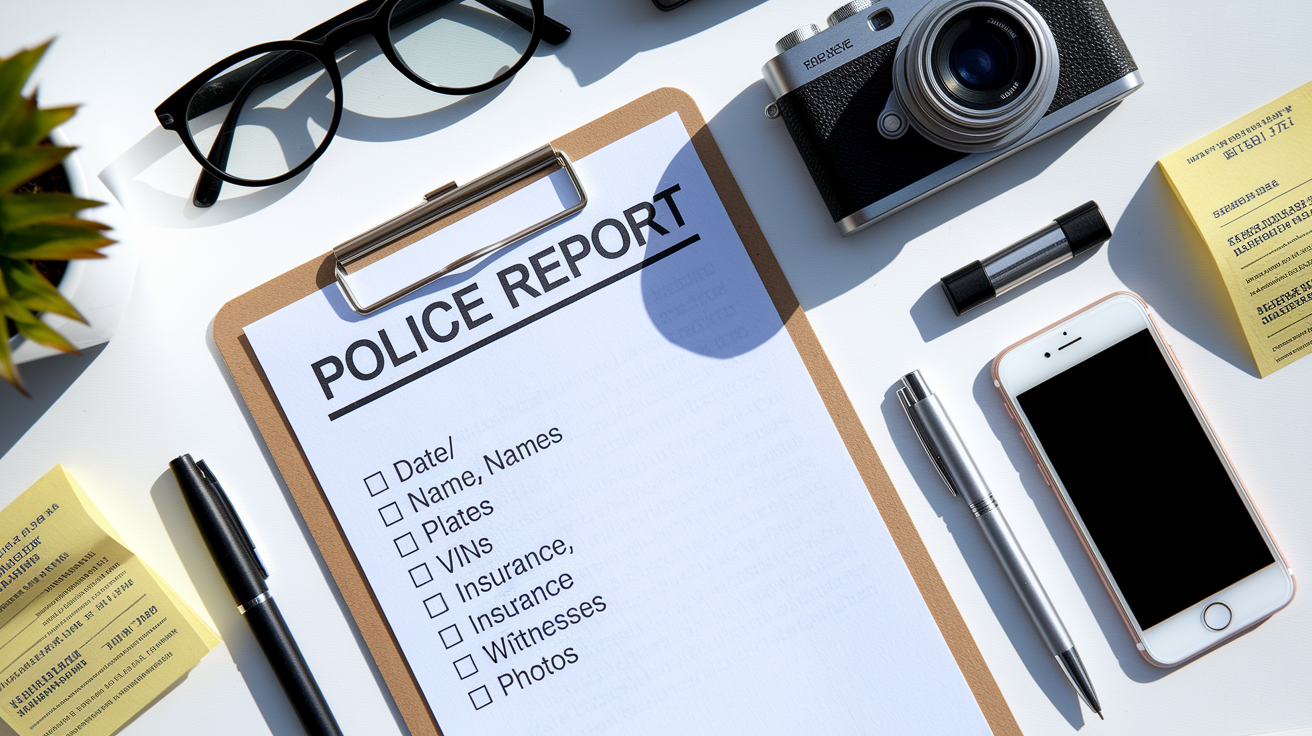
The report’s only as good as what you give. Officers need facts, not guesses or opinions. Stick to what you saw, when it happened, where you were, and who was there. If you don’t remember or didn’t see something, say so. Guessing creates inconsistencies that adjusters catch.
Seven things to bring or be ready to provide when you file at the station or talk to the officer:
- Date, time, and exact spot (intersection, mile marker, or GPS coordinates)
- Names, phone numbers, and addresses for all drivers
- Plates, makes, models, colors, and VINs if you can see them
- Insurance companies and policy numbers for everyone involved
- Witness names and phones (1 to 3 if you have them)
- Photos and videos (at least 8 to 15 showing damage, the scene, skid marks, signals)
- Medical or tow receipts if anyone got hurt or the car was towed
Obtaining a Copy of the Police Report for Your Insurance Claim

After the police file, you need a copy to give your insurer. Most departments hand you an incident or case number right away, which you can pass along immediately. The full written report (officer’s notes, diagrams, observations) usually shows up in 24 hours to 2 weeks, depends on how busy they are.
You can request it online through the department’s records site, in person at the station or records office, or by mail. Some send PDF copies via email, others make you pick up a printed one. Fees run from free to $25 per copy, most charge $5 to $15.
| Method | Typical Cost | Average Processing Time |
|---|---|---|
| Online portal or department website | $0 – $15 | Instant to 48 hours |
| In-person pickup at station or records office | $5 – $25 | Same day to 1 week |
| Mail request to records department | $5 – $20 plus postage | 1 to 4 weeks |
How Insurers Use the Police Report During Claim Processing

Adjusters treat police reports like independent evidence. They match the officer’s account against your statement, the other driver’s version, and physical proof (photos, repair estimates). When the details line up, claims go faster. When stories conflict, the report often decides who’s right or kicks off a deeper investigation.
The report gives key details: road conditions, skid marks, impact point, what people said at the scene. If the officer wrote a ticket for running a red light or tailgating, that matters when determining fault. Insurers look for signs of DUI, distracted driving, or criminal behavior, which can affect coverage or trigger exclusions. Reports that mention injuries help establish how serious things were and when medical treatment started. Witness statements recorded by police carry more weight than verbal promises or unsigned notes.
Without a police report, your insurer will still investigate, but you’ll need more documentation and wait longer. For theft and hit and run claims, many policies flat out require a report number before they’ll pay total loss or uninsured motorist reimbursements. The report doesn’t decide fault by itself (insurers look at photos, estimates, and their own damage analysis too), but it speeds things up and cuts down on arguments.
Common Mistakes to Avoid When Filing a Police Report

Small mistakes when you file can slow your claim or hurt your case. The biggest error is waiting too long. People think they have weeks, but insurers expect you to call within 24 to 72 hours, and some places require reports within 24 hours for injury crashes.
Six errors to avoid:
- Saying you’re sorry or admitting fault at the scene. Stick to facts. Let the investigation figure out who’s responsible.
- Leaving without the officer’s name, badge number, and case number. You need these to get the report and confirm it was filed.
- Giving incomplete or conflicting info. If you tell the officer one thing and your insurer another, adjusters will doubt both.
- Skipping photos or relying on memory. Take at least 8 to 15 images and a short video to back up what you say.
- Not grabbing witness contact info. Verbal promises to “call later” rarely happen. Get names and numbers right then.
- Taking cash from the other driver before filing or telling your insurer. This can break your policy rules and leave you stuck if problems come up later.
Differences Between Filing at the Scene, Online, and In‑Person

Each method fits different situations. On-scene filing gives you the strongest documentation because the officer sees everything fresh: where the cars ended up, skid marks, debris, weather. The officer talks to everyone while it’s still clear in their head and can catch inconsistencies or spot impairment. This kind of report carries the most weight with insurers because it has direct observations and a diagram.
Online and in-person station filing work when no officer shows or when you’re reporting something you found later (theft, damage to your parked car). Online’s convenient and quick, but it’s all based on what you type in and usually excludes injury crashes, suspected DUI, or disputed fault. Filing in person at the station lets you ask questions, clarify details, and make sure the report has your full story, but it won’t include what an officer would’ve seen at the scene.
| Filing Method | Situations Allowed | Key Advantages |
|---|---|---|
| At the scene with responding officer | Crashes with injury, major damage, suspected DUI, hit and run, or immediate danger | Officer documents real-time evidence, observations, and statements; strongest credibility with insurers |
| Online or phone reporting | Minor non-injury crashes, theft, vandalism, or parked-vehicle damage in places that offer it | Convenient, fast, available 24/7; gives you a case number quickly |
| In person at the police station | Incidents without on-scene response, delayed discovery of theft or vandalism, or when online filing isn’t available | Lets you give detailed statements, ask questions, get immediate confirmation; officer can tell you what documents you need |
Final Words
Right after a crash, focus on safety, quick documentation, and knowing reporting rules. This guide showed when a report is required, what to collect, and step-by-step filing.
You also saw filing options and how insurers use reports. Do this today: save your local police non-emergency number or the department’s online report page.
Bookmark contacts, keep photos and witness info handy so you’re ready. That way you’ll know how to file a police report for a car insurance claim if you ever need one. You’ve got this.
FAQ
Q: Do police reports help with insurance claims?
A: Police reports help with insurance claims by giving official details—time, place, officer notes, and statements—so insurers can verify fault and speed processing. Request a copy and share it with your adjuster.
Q: What not to say to the insurance adjuster?
A: You should avoid saying you were at fault, guessing details, admitting injuries later, or promising repairs; stick to basic facts and let the adjuster investigate.
Q: What is the first thing you do after a car accident?
A: The first thing you do after a car accident is check for injuries and call 911 if anyone is hurt. Then move to safety, warn traffic, exchange info, and document the scene.
Q: What happens if an accident is not reported within 24 hours?
A: If an accident is not reported within 24 hours, the outcome depends on state law and your insurer—claims may be delayed, denied, or you may face fines. Report as soon as possible and explain delays.